What Are the 5 Most Common Car Repairs Drivers Face?

March 31, 2026

Some repairs show up so often that drivers almost expect them sooner or later. The car still gets used every day, the same parts keep doing the hardest work, and little changes get ignored until the vehicle finally demands attention. By the time it reaches the shop, the repair itself is not surprising. The timing is.


Most common repairs are not random. They grow out of wear, heat, age, and delayed service.


Why These Repairs Keep Showing Up


Cars come in with thousands of different complaints, but a few repair categories keep rising to the top because they take the most punishment.


  • Brakes deal with heat and friction every trip
  • Batteries and charging parts work year-round in heat and cold
  • Tires and suspension absorb road damage constantly
  • Cooling system parts age even when the problem is still small


A good inspection helps catch many of these earlier, but once service is delayed, the same failures keep recurring.


1. Brake Pad And Rotor Replacement


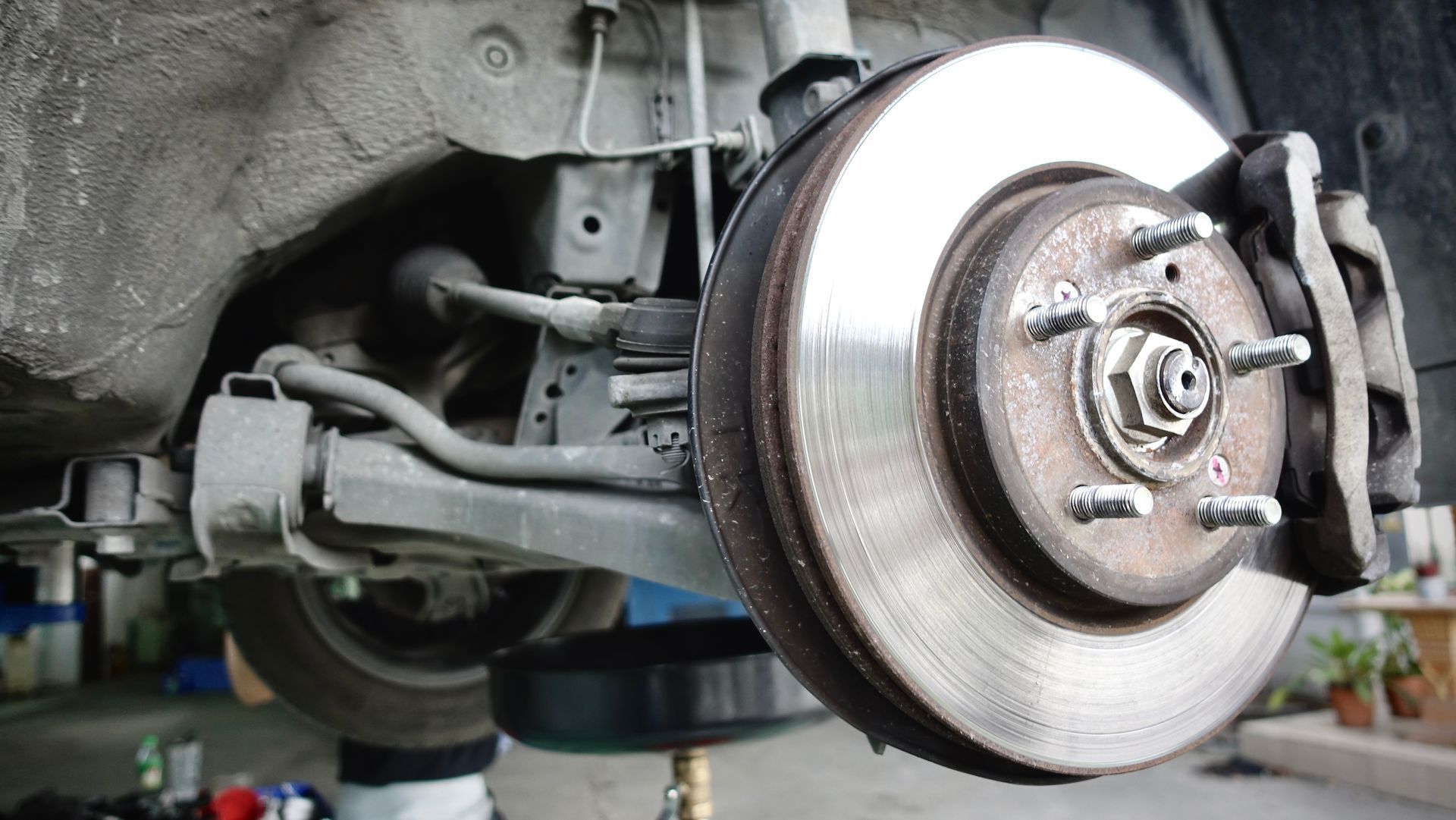
Brake work is one of the most common repairs drivers face. Pads wear down with every stop, and if they get too thin, the rotors start paying the price too. Some cars give plenty of warning through squealing, vibration, or longer stopping distances. Others stay quiet longer than they should, which is part of why people put off the repair.


Once the brakes start grinding, the bill tends to grow. What could have stayed a pad service turns into pads and rotors, and sometimes more if the heat has spread wear through the rest of the hardware.


2. Battery Replacement Or Charging System Repair


A weak battery can make the whole car feel unreliable fast. Slow starts, dim lights, and repeated jump starts usually point drivers in that direction first. Then the real question becomes whether the battery is worn out or whether the alternator has been letting it fall behind.


In our shop, we see plenty of drivers replace the battery only to find the new one ends up weak too. That happens when the charging system is the real problem. Battery and alternator repairs stay near the top of the list because electrical systems do not give much grace once they start slipping.


3. Tire Replacement And Tire Repair


Tires wear more quietly than people think. The car still drives, so tread loss, uneven wear, and sidewall damage are easy to miss until the ride changes or the air loss becomes impossible to ignore. A nail in the tread can be a repair. Low tread, impact damage, or severe wear means replacement is the smarter move.


Road conditions play a big part here. Potholes, curbs, poor alignment, and bad inflation habits shorten tire life quickly. Regular maintenance helps a lot, especially when rotation and pressure checks stay on schedule.


4. Suspension And Steering Repairs


A rough ride, clunking over bumps, loose steering, or a car that feels less settled than it used to are usually signs of suspension wear. Shocks, struts, bushings, ball joints, tie rods, and links all take abuse from daily driving. When one part starts falling behind, the whole car can feel older in a hurry.


Suspension problems also tend to drag other costs along. Tire wear worsens, alignment suffers, and the car loses some of the stable feel drivers take for granted.


5. Cooling System Repairs


Cooling system work shows up constantly because small leaks have a bad habit of growing at the wrong time. A hose, radiator, thermostat housing, water pump, or cap can seem fine right up until the system loses pressure and the engine starts running hotter than it should. Then the repair jumps from manageable to urgent very quickly.


A sweet smell, a dropping coolant level, or a temperature gauge creeping higher all deserve early attention. Cooling system repairs remain common because many vehicles arrive after the first warning signs have already appeared.


What These Repairs Have In Common


The pattern behind these repairs is pretty simple. They start as wear items or early symptoms, not giant failures. Drivers hear a noise, feel a vibration, spot a warning light, or notice the car is just a little different from how it was last month. Then life gets busy, the vehicle keeps moving, and the repair gets postponed.


That delay is what turns common repairs into bigger ones. The brake pads wear further. The battery drains one time too many times. The cooling system leak spreads. Suspension wear starts chewing through the tires. None of those repairs is rare. They are easier to manage when caught sooner.


Get Common Car Repair Service In Oklahoma City, OK, With A&H Automotive Repair Shop


If your car has started making noise, feels rougher, stops differently, or shows signs that one of these common repairs is coming, A&H Automotive Repair Shop in Oklahoma City, OK, can help you find the issue early and prevent it from becoming much more expensive.


Bring it in and let our team take a closer look before a familiar repair turns into a bigger interruption.

How Do Annual Maintenance and Inspections Prevent Surprise Vehicle Breakdowns? | A&H Automotive Repa
February 27, 2026
A&H Automotive Repair Shop in Oklahoma City, OK, explains how annual maintenance and inspections can prevent surprise breakdowns.
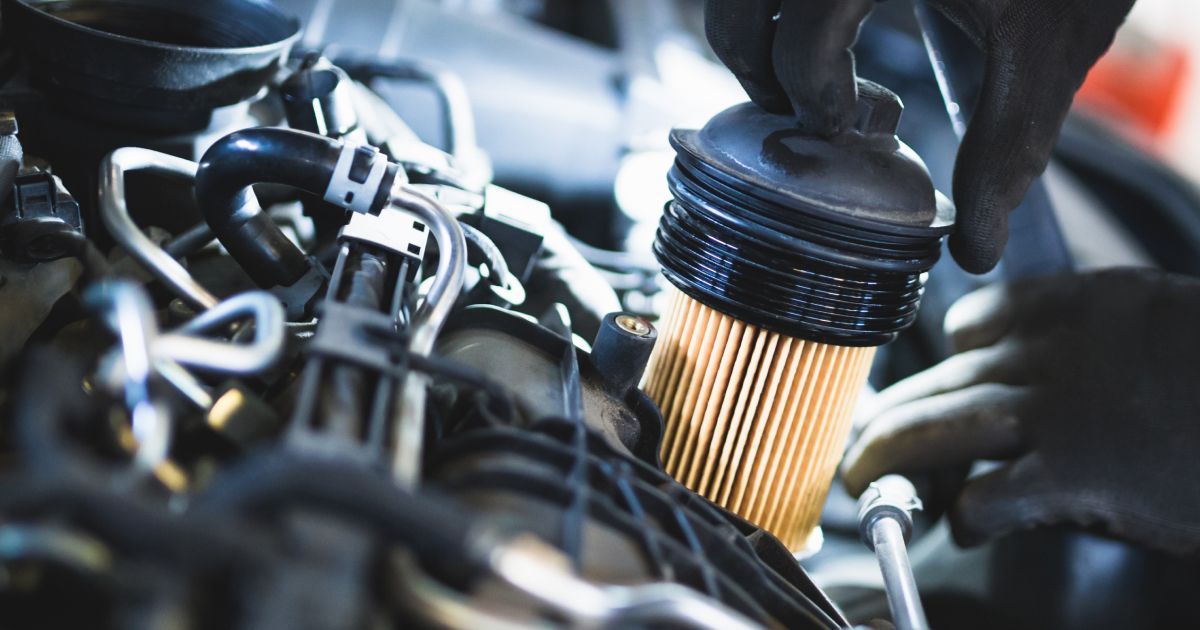
Mechanic removing a yellow oil filter from a car engine, hands in black gloves visible.
By ahautomotive63 September 22, 2025
Regular Maintenance for a Chevrolet Vehicle At A&H Automotive in Oklahoma City, we know how much your Chevrolet means to you — whether it's a Silverado hauling for work, an Equinox for the family, or a sporty Camaro built for weekend fun. Regular maintenance not only prolongs the life of your Chevy, it also helps maintain safety, fuel efficiency, performance, and resale value. Below is a general guide to Chevrolet’s recommended service intervals and maintenance tasks, plus tips specific for drivers in OKC. Always consult your vehicle’s owner’s manual for exact requirements, since model, year, and driving conditions make a difference. Why Following the Service Schedule Matters Warranty & Resale: If you’re under warranty, skipping required services can void coverage. Also, well-documented maintenance boosts resale value. Preventative Savings : It’s much cheaper to replace worn belts or fluids than to fix a failed engine, transmission, or other major components. Performance & Efficiency : Fresh filters, correct fluids, properly inflated tires, aligned suspension — all of it helps your Chevy perform better and consume less fuel. Safety : Regular checks of brakes, steering, tires, lights & safety systems reduce risk of breakdowns or accidents. Chevrolet Mileage Milestones & What Gets Done Here’s a typical Chevrolet maintenance schedule by mileage. Depending on your model and how you drive (e.g. city vs highway vs towing, frequent short trips vs. long runs, dusty or hot conditions, etc.), you may need to adjust or do more frequent checks. Recommended Chevrolet Service Intervals Every 7,500 miles or 6–12 months Oil and filter change Tire rotation Multi-point inspection of belts, hoses, lights, and wipers Check and top off fluids (coolant, brake, power steering, transmission) Around 15,000 miles All of the above services Replace cabin air filter Flush or replace brake fluid Inspect suspension, exhaust, and cooling systems Around 30,000 miles All of the above services Inspect or replace spark plugs In-depth inspection of belts, hoses, and fuel system At 60,000 miles, 90,000 miles, and beyond Replace or inspect timing belts (if equipped) Flush and replace coolant Service transmission fluid and filters (if required) Inspect or replace shocks, struts, and steering components Test or replace spark plugs and battery as needed Special Factors for OKC Drivers Oklahoma City has its share of hot summers, dust, and large temperature shifts between day and night. These conditions can accelerate wear in some components. Here are some tips especially relevant for this area: Cooling System Care : With the heat, keep your cooling system in top shape. Flush and refill as suggested, and check radiator fins, hoses, and the thermostat regularly. Air & Cabin Filter Inspections : Because of dust and pollen, Oklahoma drivers might need to replace or inspect air filters more often. Poor air filtration affects engine breathing and HVAC performance. Tire Care : Hot pavement can increase tire wear. Rotate tires regularly, check pressure (under-inflated tires heat up more), and align as needed to avoid cupping or uneven wear. Battery Stress : Heat stresses batteries. If your battery is older (3–5 years), have it tested during regular service intervals. When to See A&H Automotive If you notice any of the following, don’t wait for your mileage to reach the next service interval — bring your Chevy in right away: Oil leaks or burning oil smell Check Engine light comes on Car pulls to one side, vibrations, or uneven tire wear Brakes feel weak, squeal, or you hear grinding Overheating, strange noises, or loss of power Here at A&H Automotive , we offer full maintenance services, OEM or equivalent parts, certified technicians, and service reminders. We also provide estimates so you know what to expect. Keeping up with these milestones saves you money in the long run. Final Thoughts Maintenance isn’t just about “following rules.” It’s about protecting your investment. Your Chevrolet can give you many years of reliable service — but only if you take care of it. By following these service intervals, understanding your driving conditions, and catching small issues before they become big ones, you’ll enjoy better performance, fewer surprises, and more peace of mind. If you’re ready to check your maintenance status, or if you think you may be overdue for a service, stop by A&H Automotive or give us a call. We’d be glad to help you get back on schedule.
Motor oil pouring from a container into a black receptacle, set in an engine bay.
By ahautomotive63 July 11, 2025
Oil Leak Repair and Diagnosis in Del City, OK Noticing oil stains in your driveway or a burning smell from under the hood? These are warning signs that your vehicle may have an oil leak—and ignoring it can lead to major engine trouble. At A & H Automotive in Del City, OK, we provide fast, affordable oil leak diagnostics and repairs you can trust. Fast, Reliable Oil Leak Repairs in Del City When your engine loses oil, it also loses the ability to lubricate, cool, and protect itself. Even small leaks can turn into serious problems if left untreated. That’s why drivers across Del City and the Oklahoma City metro area count on A & H Automotive for: Accurate oil leak detection Transparent repair estimates Fast turnaround times Service for all vehicle makes and models ASE-certified technicians From valve cover gaskets to rear main seals, we fix oil leaks the right way—so you don’t have to worry about repeat visits. Signs Your Car Has an Oil Leak Searching for “oil leak repair near me”? Here are some red flags that mean it’s time to bring your vehicle in: Oil spots under your car Burning oil smell while driving Low oil warning light or dipstick reading Smoke from the engine or exhaust Engine running hotter than usual Acting fast can save you thousands in engine damage. Don’t wait—get it checked today. What Causes Engine Oil Leaks? Oil leaks can come from several places depending on your engine's age and condition. At A & H Automotive, our team uses pressure testing and UV dye to pinpoint the exact source of the leak and recommend the proper fix. Common oil leak sources we repair include: Valve cover gaskets Oil pan gaskets Rear main seals Timing cover gaskets Camshaft and crankshaft seals Oil filter housing gaskets Oil cooler lines and fittings Why Choose A & H Automotive? ✅ Family-owned and operated in Del City ✅ Honest, upfront pricing ✅ Quick service without cutting corners ✅ Experienced with domestic & import vehicles ✅ Proudly serving Del City & Oklahoma City We’ve built our reputation on doing things the right way—not the easy way. When you choose A & H Automotive, you’re choosing peace of mind. Schedule Oil Leak Repair in Del City, OK If you suspect your vehicle has an oil leak, don’t wait for engine damage to set in. Book your oil leak inspection with A & H Automotive today. Call us or schedule online . We proudly serve Del City, Midwest City, Moore, and the greater Oklahoma City area. Related Blog Posts Coming Soon Want to learn more about oil leaks? We’re working on helpful resources you can read next: [Why BMWs Are Prone to Oil Leaks] [How to Spot a Rear Main Seal Leak] [Common Oil Leak Causes by Mileage] [What Happens If You Ignore an Oil Leak?] [What’s the Difference Between Valve Cover and Oil Pan Leaks?] These blogs will help you understand the problem—and how we can fix it.
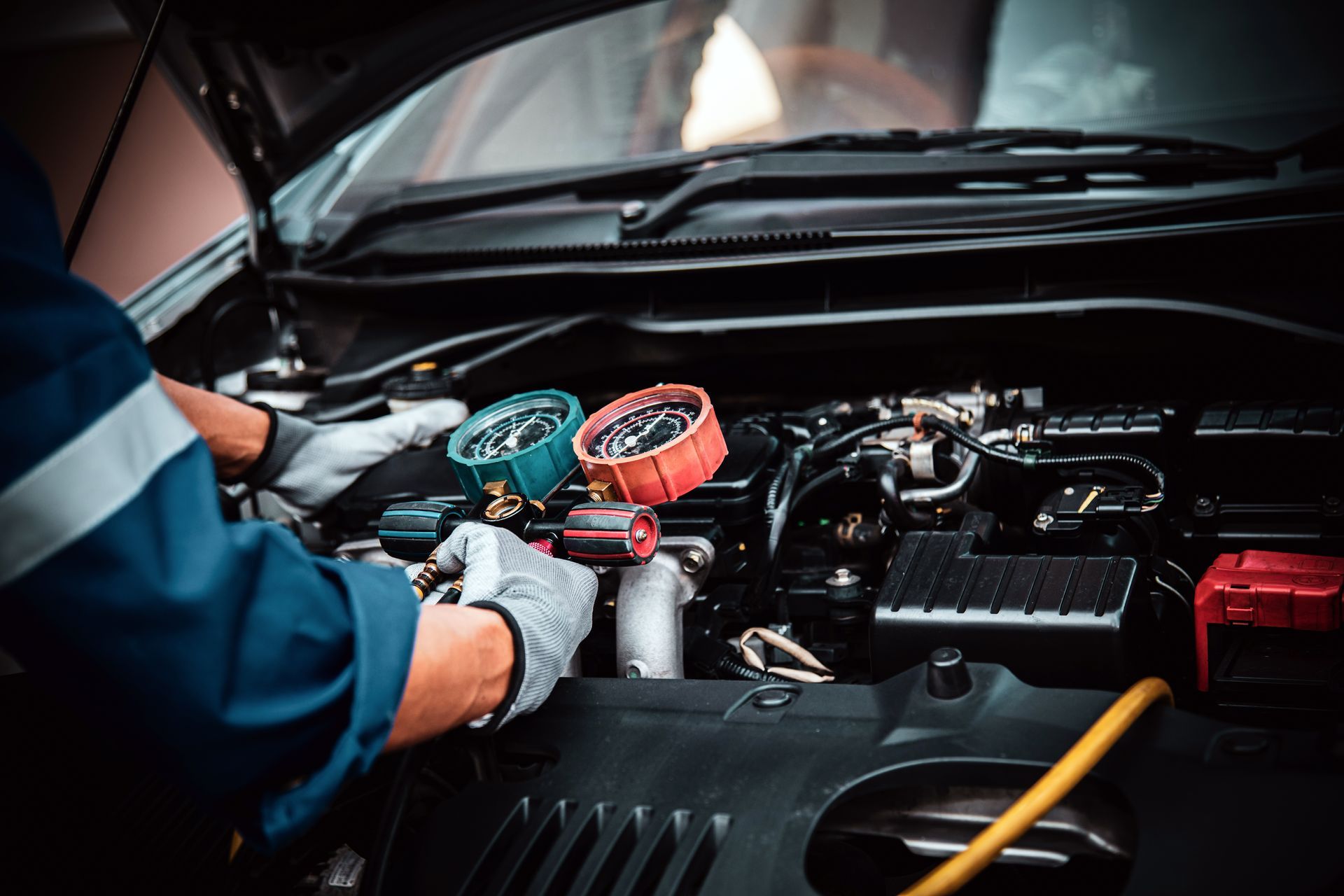
Close-up of gauges connected to a car engine; a mechanic checks the vehicle's air conditioning system.
By ahautomotive63 December 30, 2024
Your car's air conditioning system is a vital component for comfort, especially during hot summer months. But like any other part of your vehicle, it requires regular maintenance. One key aspect of this maintenance is recharging the AC system. But how often should this be done? The frequency of recharging your car's AC can depend on various factors. These include your vehicle's age, usage patterns, and even the climate in which you live. In this guide, we'll delve into the topic of recharge car AC frequency. We aim to provide you with a comprehensive understanding of when and why your car's AC might need a recharge. We'll also explore the signs that indicate a recharge is necessary. Plus, we'll discuss the process of recharging your car's AC, whether you should do it yourself or seek professional help. So, let's dive in and learn how to keep your vehicle's air conditioning system running at its best. Understanding Your Car's AC System Your car's AC system is more than just a convenience feature. It plays a crucial role in ensuring comfort by regulating the cabin temperature. The system cools the air inside your vehicle, providing relief from the heat. At the heart of the system is the refrigerant, a liquid that circulates through various components. These include the compressor, condenser, and evaporator, each performing a unique function. The compressor pressurizes the refrigerant, the condenser cools it, and the evaporator absorbs heat. Understanding how these parts work together can help you maintain your car's air conditioning effectively. Recognizing the Signs of a Low AC Charge Recognizing the signs of a low AC charge can help prevent discomfort and potential damage. The first noticeable sign is usually a decrease in cooling performance. If the AC isn’t blowing cold air as efficiently as before, the refrigerant might be low. Another indication is unusual sounds coming from the AC system. Clinking or hissing noises can suggest issues needing attention. Sometimes, the system might also emit a foul odor, signaling refrigerant leakage. To aid in identifying these issues, consider common symptoms indicating a recharge need: Weak air flow through the vents Warm air instead of cold air Visible refrigerant leaks under the vehicle The compressor repeatedly turning on and off Higher humidity levels inside the cabin These signs often appear gradually, so pay attention to any changes. Checking refrigerant levels regularly can help prevent these issues. If symptoms persist, it might be time for a more thorough inspection or recharge of your car’s AC system. The Ideal Frequency for Recharging Your Car's AC The frequency of recharging your car's AC largely depends on use and environment. Typically, manufacturers recommend recharging the AC every two to three years. However, this can vary based on specific vehicle needs. Driving habits and climate play significant roles in determining recharge intervals. Frequent use in hot climates may necessitate more frequent recharges. Conversely, minimal use in mild conditions might extend the time between recharges. Regular maintenance can also influence how often a recharge is needed. Routine checks help ensure the AC system operates efficiently. This proactive approach can prevent unexpected performance issues and maintain comfort. Factors Influencing Your AC Recharge Schedule Several factors can impact how often your car's AC system needs recharging. Climate is a major contributor. Hotter environments typically demand more cooling, hence more frequent recharges. Usage patterns also play a role. Vehicles used frequently or for long trips might require recharges sooner. Conversely, infrequent use can extend the time between recharges. The condition of the AC components affects the recharge schedule as well. Worn or damaged parts can lead to refrigerant leaks. Such issues necessitate more frequent attention and service. Technological advancements in vehicle design can influence recharge intervals. Newer models often have more efficient systems, possibly reducing the need for frequent maintenance. However, it's always best to refer to your vehicle's manual for specific guidelines. Lastly, environmental considerations such as road debris and pollutants can affect the AC system's efficiency. Keeping the system clean and protected can help maintain optimal performance and extend the recharge cycle. DIY vs. Professional AC Recharging: What You Need to Know Recharging your car's AC can be a tempting DIY task. It seems straightforward and potentially cost-saving. However, it involves handling refrigerants, which require precision and care. A professional recharge ensures that the right type and amount of refrigerant are used. Technicians also inspect for potential leaks or worn components. This can prevent future issues that a DIY approach might miss. DIY kits are available, but they lack comprehensive diagnostic capabilities. Incorrectly recharging the system can lead to costly damage. Weigh the risks before deciding between DIY and professional service for your vehicle air conditioning needs. The Recharging Process: A Step-by-Step Guide Recharging your car's AC starts with identifying the refrigerant type. Most modern vehicles use R134a refrigerant. Verify this in your vehicle's manual to ensure compatibility. Begin by connecting the recharge kit to the AC's low-pressure port. This port is typically marked with an "L" and is smaller than the high-pressure port. With the engine running, turn the AC to maximum setting to circulate the refrigerant. Carefully release the refrigerant into the system according to the kit's instructions. Monitor the pressure gauge closely to avoid overcharging. Once finished, remove the kit and check for improved cooling performance. Always wear protective gear to ensure safety during the process. Common Myths About Car AC Recharging Many believe that topping off refrigerant is a regular necessity. However, a properly sealed AC system does not consume refrigerant. It only escapes through leaks. Another myth is that colder climates eliminate the need for AC recharges . Even in cooler regions, the system needs recharges if there are leaks or inefficiencies. Climate does not stop refrigerant loss. Lastly, some think refrigerant can be added without tools or precision. In reality, using the correct equipment is vital. Overcharging or undercharging can cause damage, stressing the need for proper tools and guidance. Maintaining Your AC System: Tips and Tricks Regular checks of the refrigerant levels can prevent unnecessary recharges. Simple inspections can catch potential issues early, ensuring the system runs smoothly. Replacing or cleaning cabin air filters regularly is crucial. Clean filters prevent debris buildup, which can strain your AC system over time. Listening for unusual noises can help detect issues before they escalate. Addressing these sounds quickly can prevent costly repairs and maintain the AC’s efficiency. When to Seek Professional Vehicle AC Service If your AC system still underperforms after basic maintenance, it's time to consult a professional. Unusual noises or persistent leaks are red flags that require expert attention. Professionals have the tools to accurately diagnose complex issues. They also ensure compliance with environmental regulations during refrigerant handling, which is crucial for safety. Conclusion: Ensuring Optimal Performance of Your Car's AC Regular maintenance of your car's AC ensures comfort and efficiency. By recognizing signs of low refrigerant and addressing issues promptly, you can prevent expensive repairs. Understanding when to recharge and when to seek professional help is key. Keep your vehicle's AC system performing at its best with these strategies.
Mechanic in black shirt and gloves, using a wrench on a car engine in a well-lit shop.
By ahautomotive63 January 2, 2024
Welcome to our new website!