Getting more miles from a tank usually comes from several ordinary changes working together. Tire pressure, driving pace, unnecessary idling, and what the car carries all affect the fuel used between fills. None requires a special additive or a device plugged into the dashboard.
Start by measuring MPG across several tanks, dividing miles driven by gallons added. A consistent record shows whether a change actually helped and makes an unexpected decline easier to spot. These 7 checks give you practical places to begin.
1. Set Tire Pressure Before Chasing Engine Repairs
Underinflated tires flex more and increase rolling resistance. Check the tires cold and use the vehicle placard or owner's manual, including any front-to-rear difference. The pressure molded on the sidewall is a limit for the tire, not the car's normal target.
If one tire keeps needing air, find the leak. Repeated additions don't repair a damaged valve, puncture, or wheel-bead leak. Correct pressure helps the tires work as intended; overinflating them to chase mileage changes their behavior and isn't the right trade-off.
2. Accelerate Smoothly and Leave Room Ahead
Hard acceleration uses more fuel, and immediate braking wastes the momentum you just paid to build. Looking farther ahead gives you time to ease off when traffic is already slowing. A steady following gap also reduces the need for repeated corrections.
That doesn't mean crawling onto a highway or delaying a safe merge. Match the road and traffic conditions, then avoid unnecessary bursts once the car is settled. The goal is a smoother pace with fewer sharp changes, while keeping space for other drivers and unexpected hazards.
3. Reduce Unnecessary Engine Idling
An idling gasoline engine burns fuel without adding distance. Waiting outside a school, sitting through a long pickup queue, or leaving the car running during a parked phone call adds fuel use the odometer never shows. Review those periods before assuming a lower tank range indicates a mechanical fault.
Only shut down where it is safe and practical. Passenger needs, visibility, weather, and the vehicle's operating requirements still apply. Never idle in an enclosed garage, and don't turn the engine off while moving to save fuel. Small reductions in parked running time are the relevant change.
4. Remove Cargo and Roof Equipment You Aren't Using
Extra weight takes energy to accelerate. A trunk full of tools left from a project or equipment carried out of habit adds load on every stop-and-go trip. Keep the emergency supplies you need, but remove cargo that has no current purpose.
Roof racks and boxes also increase aerodynamic drag, especially at higher speeds. If the trip is over and the equipment isn't needed, removing it by the manufacturer's instructions reduces that extra resistance. Check attachments and storage rather than leaving an empty box on the roof indefinitely.
5. Combine Short Errands When It Fits the Day
An engine uses a different operating strategy while warming. Several separate cold starts for short errands often use more fuel than a well-planned route covering the same tasks. Combining stops gives the engine more time at normal temperature and may reduce backtracking.
Plan the route before leaving, with parking and traffic conditions included. A long detour isn't automatically more efficient because the road looks faster. The best comparison is the fuel and time required for the complete trip, including the queues and repeated starts along the way.
6. Follow the Maintenance Schedule for the Engine
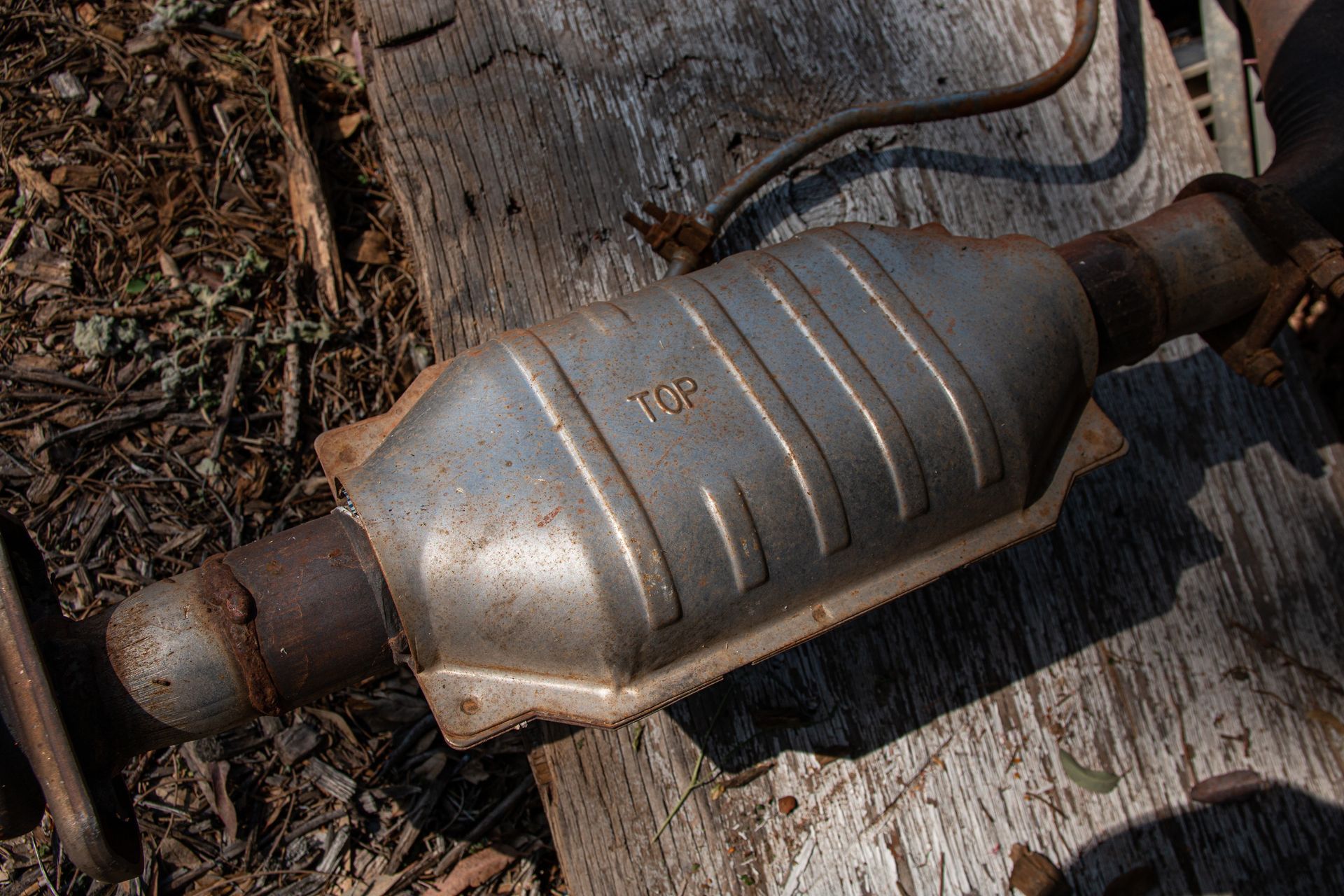
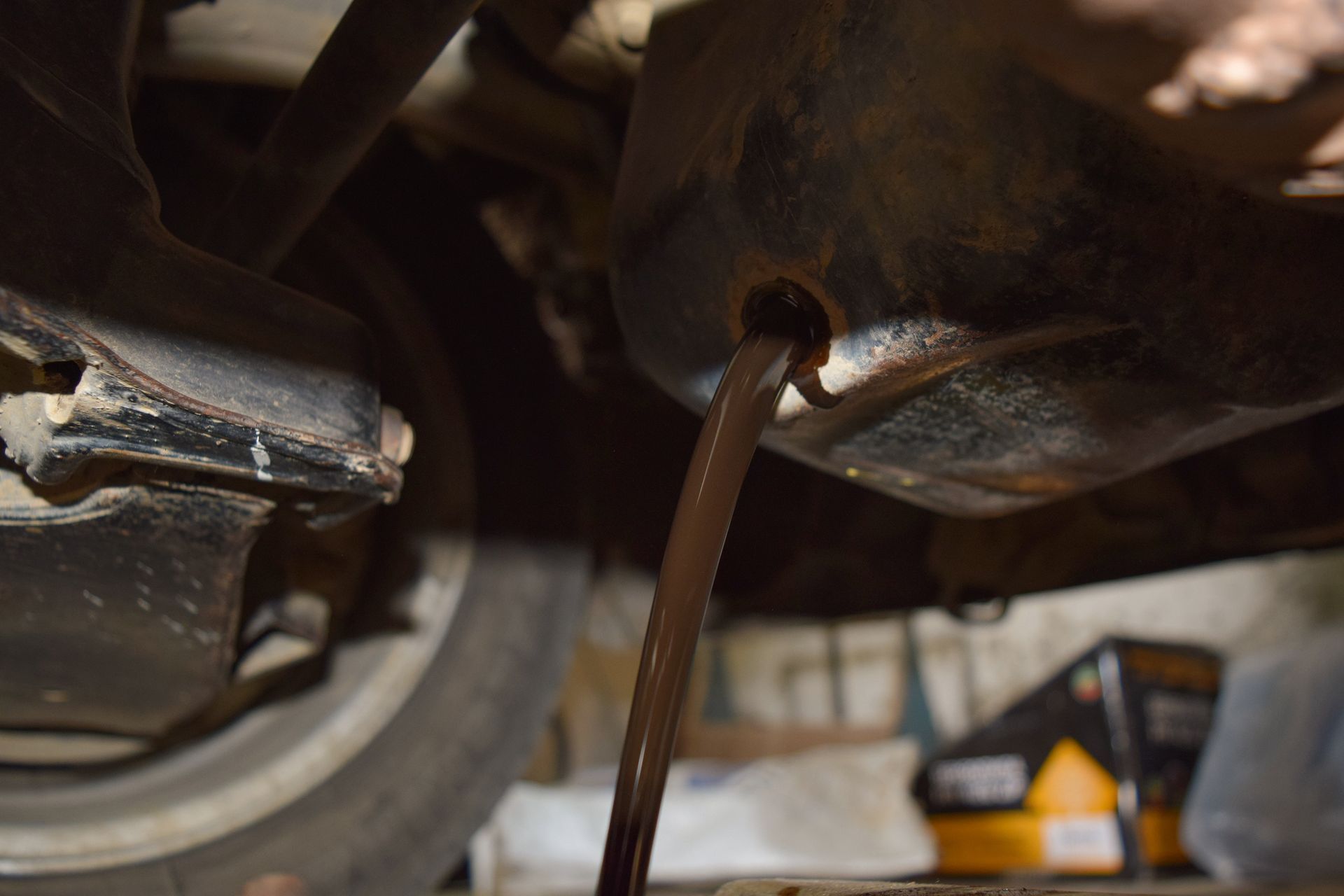
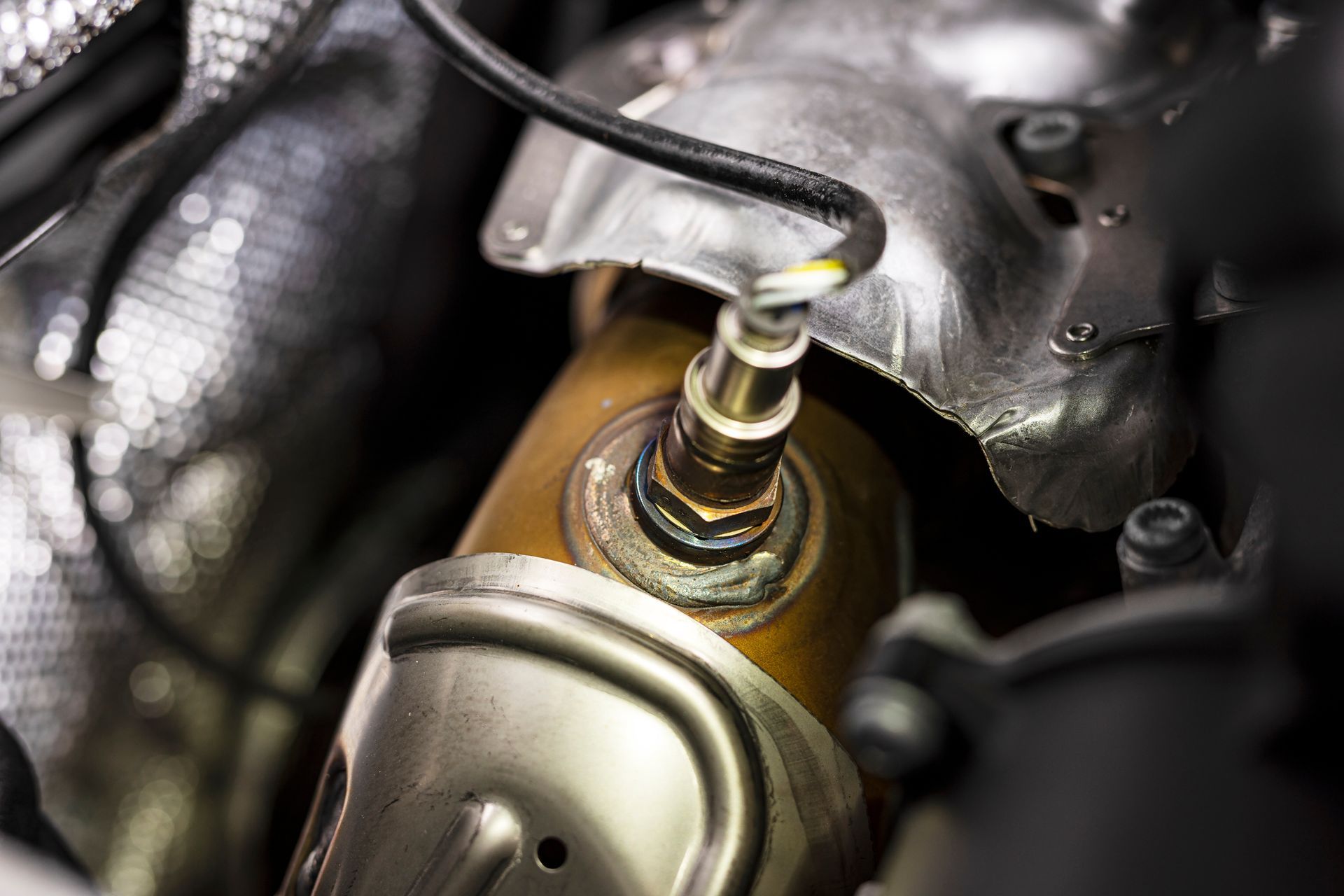
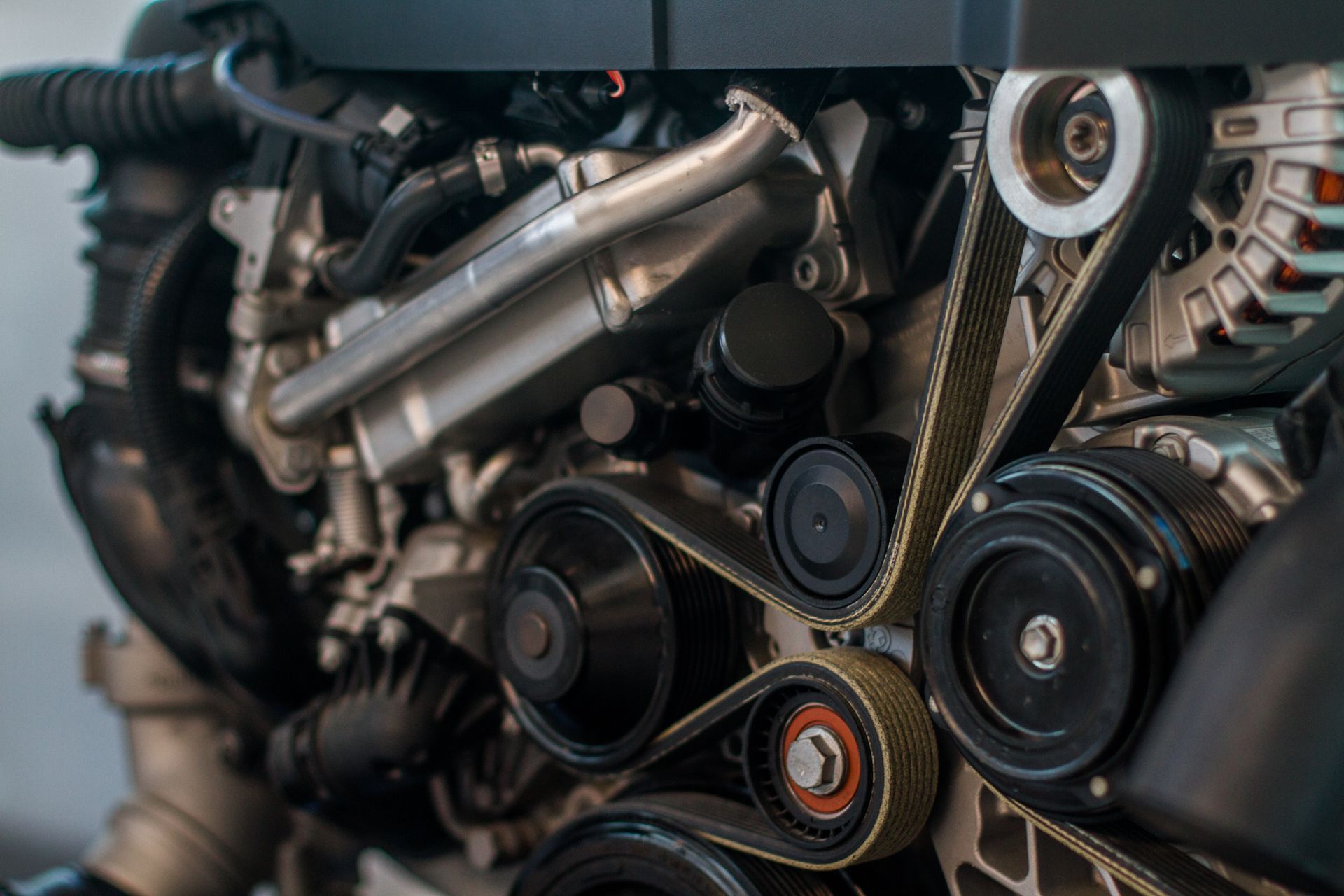
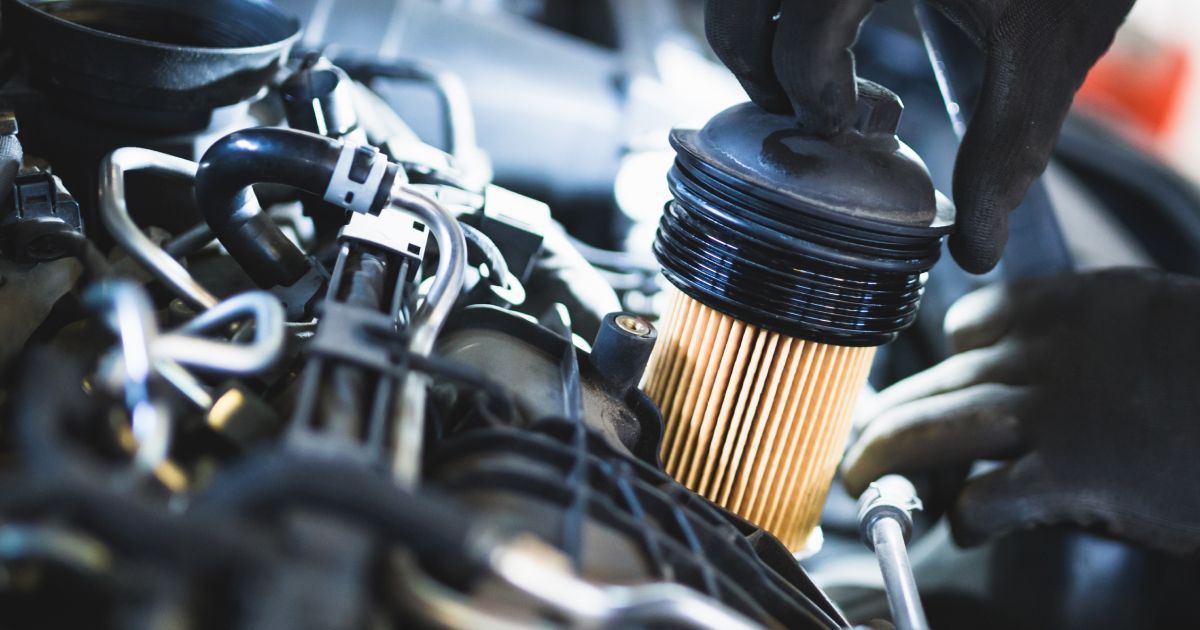
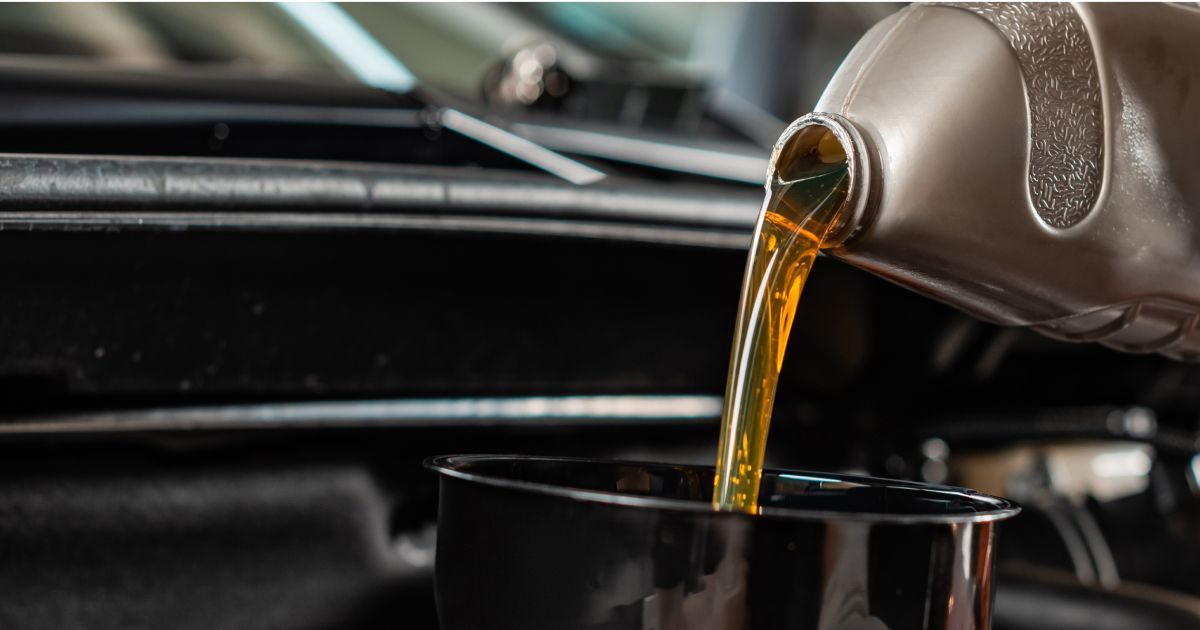
Use the specified engine oil, and replace filters and spark plugs when the service schedule calls for it. A heavily restricted intake, worn ignition parts, or an engine that stays too cool may affect operation. The right maintenance follows the engine's design and the findings.
Avoid promises that one routine part guarantees a large MPG gain. Modern fuel-injected engines compensate for some operating changes, and a dirty-looking filter isn't proof of the cause of poor mileage. If fuel use has increased suddenly, it needs a measured complaint and targeted checks.
7. Investigate Brake Drag and New Fuel-Economy Changes
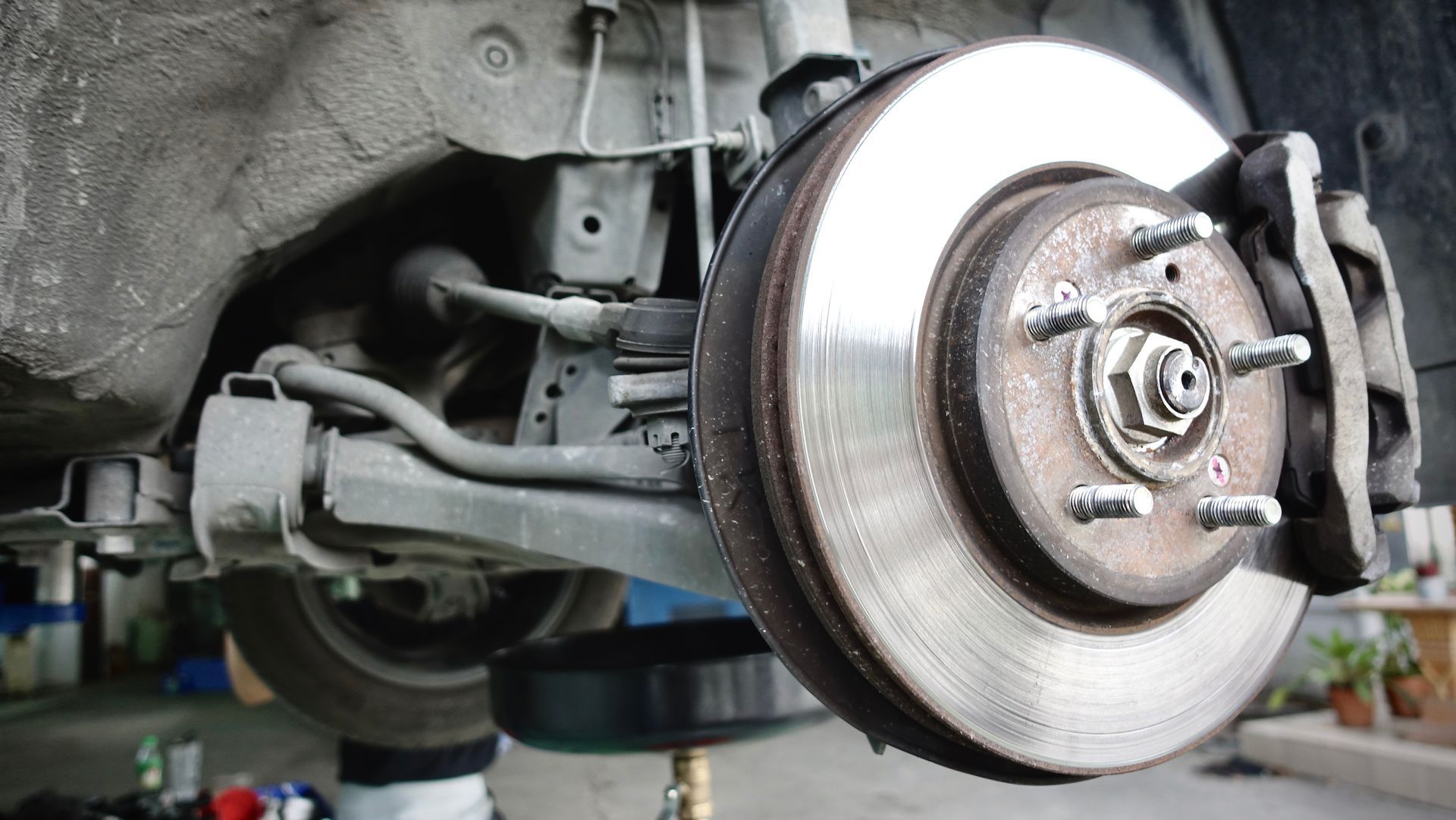
A caliper that doesn't release makes the engine push against constant friction. It also overheats the brake and wears the pads. A hot smell, pulling, or a wheel running abnormally hot after ordinary driving calls for a safe stop and an inspection, not a longer fuel-economy test.
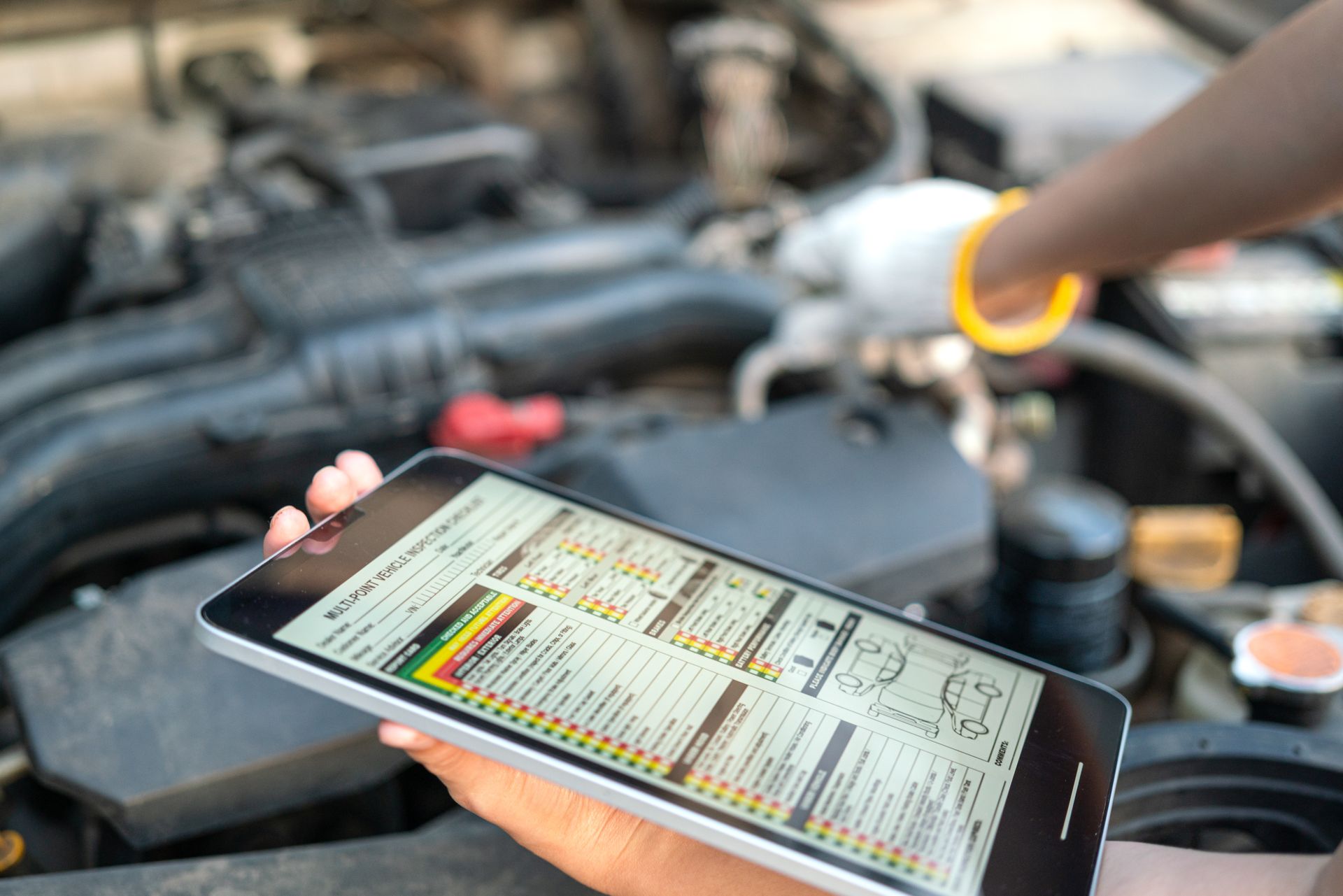
Bring your MPG record when arranging service. Include changes in trip length, load, warning lights, or engine behavior. That history helps separate a new mechanical problem from a week of idling and shorter trips.
Get Fuel-Economy Service in Oklahoma City, OK, With A&H Automotive Repair Shop
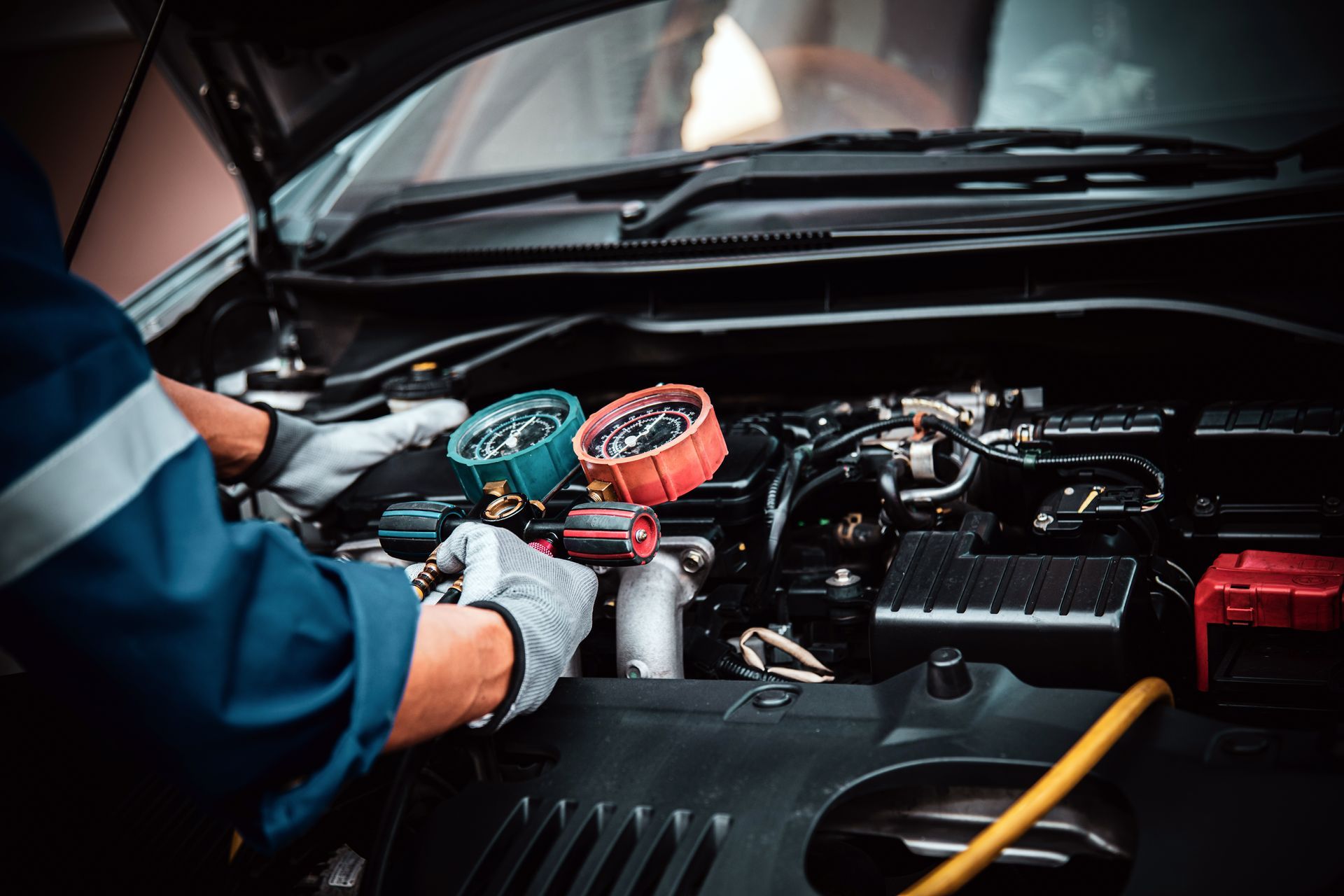
A&H Automotive Repair Shop in Oklahoma City, OK, can check a continuing drop in MPG and review tire, brake, and engine concerns behind it.
Call us to schedule fuel-economy testing or routine maintenance.