The car starts holding gears longer on the same hill you've driven for years. You press harder, and it downshifts, yet you don't get much extra acceleration. A transmission problem seems likely because the shifting is what you notice first.
Before authorizing transmission work, you need to check the engine's ability to produce power. Shift behavior can be a response to another fault rather than the fault itself. The distinction is especially useful when the vehicle still selects drive and reverse normally but becomes increasingly reluctant to accelerate once you're on the road.
The Transmission Reacts to Available Engine Power
An automatic transmission chooses gears using several inputs, including driver demand, speed, and engine operating information. When the engine cannot produce the expected power, you need more accelerator input to climb the same hill. The transmission can downshift or delay an upshift while following its commands correctly.
A restricted catalytic converter is one possible cause of missing power. Blocked passages interfere with exhaust flow, limiting how effectively the engine can keep breathing as demand increases. Selecting a lower gear cannot remove that obstruction. The engine sounds busier, but the car still struggles, which makes the transmission an easy component to blame.
A Breathing Problem Feels Different From True Slip
With exhaust restriction, the engine can reach a point where additional throttle produces little useful response. It might run acceptably at low demand and labor during sustained acceleration. True transmission slip involves a mismatch between the rotating speeds that should correspond to the selected ratio. A flare can appear as a clutch tries to engage or hold torque.
The tachometer offers context, not a diagnosis. Normal kickdown, CVT operation, and commanded torque-converter unlocking also change RPM. At our shop, we compare requested gears with measured input and output speeds while checking engine performance. That distinguishes a commanded gear change from a transmission that cannot maintain the ratio it was told to use.
Broken Converter Material Can Make Symptoms Intermittent
A converter doesn't always become restricted in a neat, gradual way. Internal material can break and shift, changing the flow path. Heat and movement can influence the complaint, so the car might accelerate better during one part of a trip than another. A loose piece can also rattle, although many restricted converters remain quiet.
That variability can resemble a transmission that starts misbehaving when hot. A technician needs to reproduce the conditions without subjecting the vehicle to unnecessary abuse. Mention whether the loss begins after sustained driving, follows a bump, or improves after a stop. Those observations help plan testing; they don't establish which part has moved or failed inside.
Test Flow Separately From Emissions Efficiency
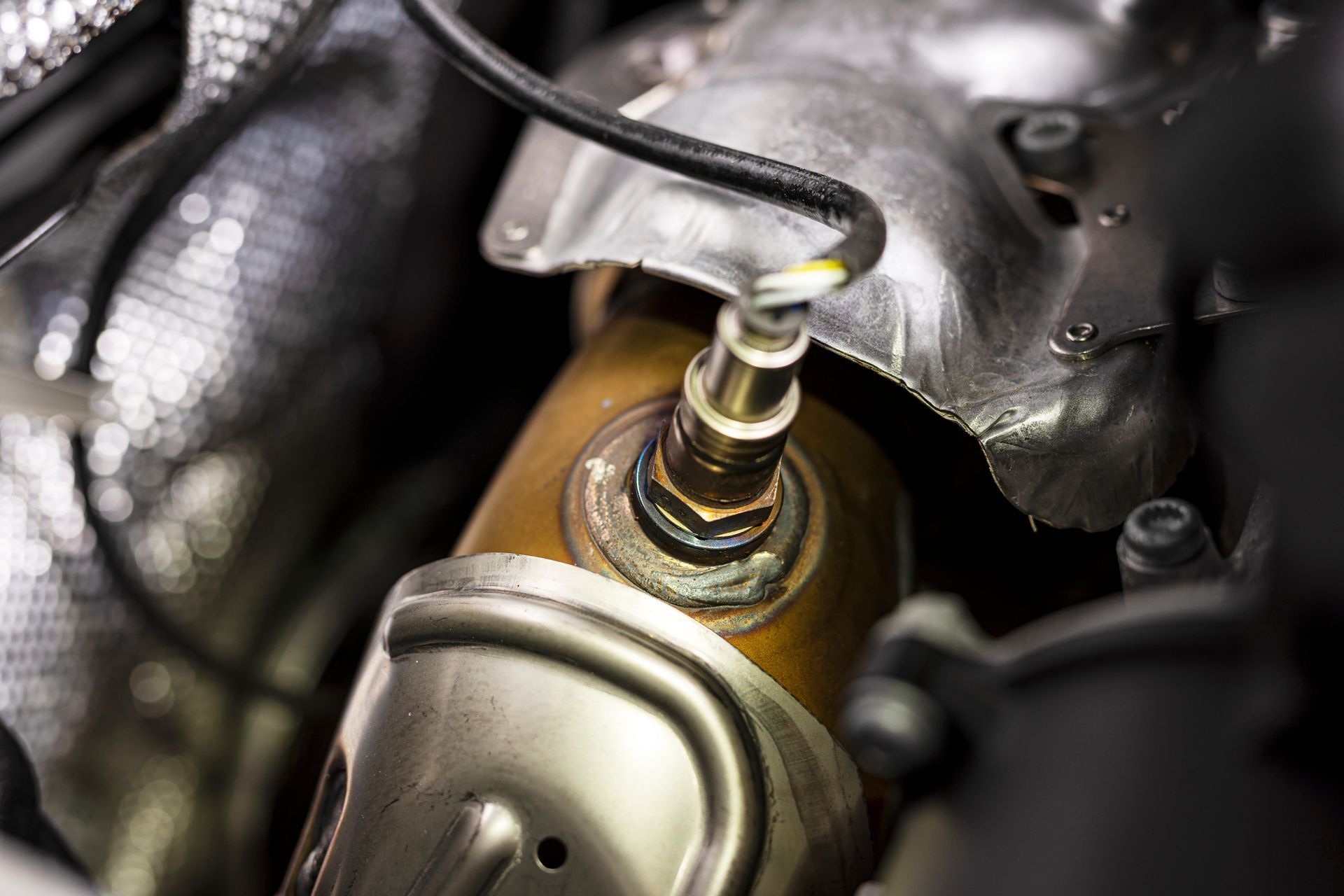
A converter's ability to clean exhaust and its ability to pass exhaust are related but separate questions. A catalyst-efficiency fault does not automatically mean the converter is blocked. A sluggish car with that code still needs testing before recommending an expensive replacement. Oxygen-sensor behavior alone doesn't measure the size of the remaining exhaust passages.
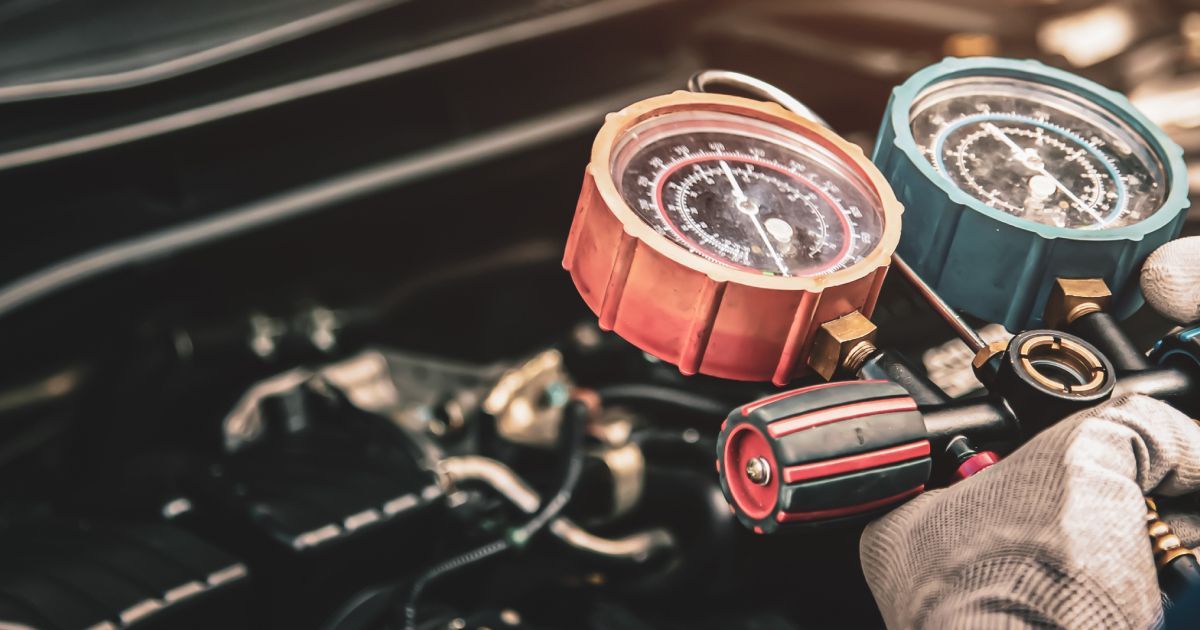
A backpressure test can establish resistance and help locate it within the exhaust. Measurements at more than one appropriate point can distinguish the converter from a restriction farther downstream. A visual check for crushed pipes belongs in that work, too. The procedure and acceptable readings must fit the engine and test conditions, not a single universal number copied onto every repair order.
Transmission Fluid Service Won't Open a Blocked Exhaust
Fresh transmission fluid cannot restore engine power lost to exhaust restriction. Resetting transmission adaptations also can't remove damaged converter material. Repeatedly clearing stored information can also make an intermittent complaint harder to trace.
Service history is still useful. Records of regular maintenance help establish what fluid and parts were used, while recent misfires or oil consumption can explain converter damage. We check those connections before making a repair plan. An older vehicle can have transmission wear and an engine-output problem at the same time, so confirming one doesn't automatically rule out the other.
Fix the Reason the Converter Failed
Once you confirm the restriction, the damaged assembly needs the right repair or replacement. The engine also needs checking for faults that overheated or contaminated the catalyst. Unburned fuel from a misfire, for example, can overheat the internal material. Replacing the converter while that misfire remains risks damaging the new part.
An inspection should finish with verification under the conditions that produced the complaint, once the vehicle is safe to test. Severe power loss or unusually high exhaust heat is a reason to stop driving and arrange assistance, particularly with a flashing engine light. Don't park over dry vegetation when the exhaust is overheating.
Get Engine And Transmission Diagnostics In Oklahoma City, OK, With A&H Automotive Repair Shop
A&H Automotive Repair Shop in Oklahoma City, OK, can investigate whether unusual shifting begins with engine power loss or the transmission itself. The findings can guide repairs before you replace a major assembly.
Contact us to schedule testing for weak acceleration and shifting changes.