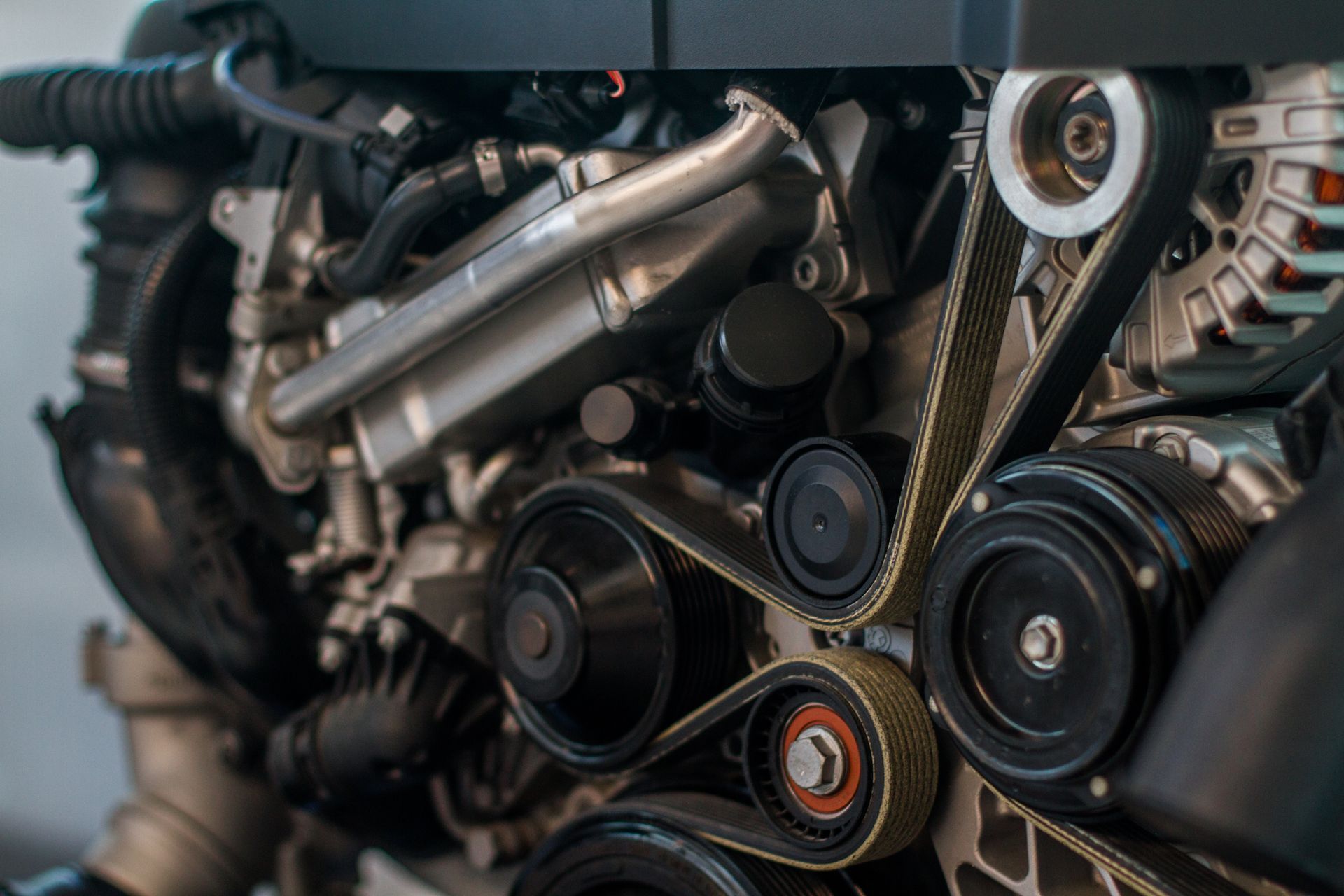
Reliable Hose Replacement Services in Oklahoma City, OK

Protect your engine – ensure your hoses are leak-free today!

Our Hose Services: Enhancing Your Vehicle’s Reliability

Maintain your vehicle's optimum performance with our professional hose services. Our experienced technicians specialize in inspecting, diagnosing, and replacing coolant hoses, oil hoses, and power steering hoses to prevent leaks and failures. Schedule your hose service today to safeguard your engine and cooling system against potential damage!

Hose Inspection and Leak Detection

We employ state-of-the-art diagnostic equipment to accurately detect any signs of wear, tear, and leaks in your vehicle’s hoses. Our meticulous inspections help prevent coolant and oil leaks, ensuring your vehicle runs smoothly and efficiently.

Premium Hose Replacement and Repair

We provide high-quality hose replacements that meet or exceed OEM standards. Whether you need new coolant hoses to prevent overheating or oil hoses to avert leaks, our services ensure maximum reliability and longevity.

Efficient Service Delivery

Our team understands the value of your time, focusing on quick yet thorough hose inspections and replacements to minimize downtime. Trust us to keep your vehicle in top operational condition with minimal disruption to your schedule.

Comprehensive Hose Services

Explore our extensive hose services to keep your vehicle in peak condition:

Standard Hose Checks and Maintenance:

Coolant Hose Inspection:  Regular checks for soft spots, cracks, and leaks to ensure effective coolant circulation and prevent overheating. 

Oil Hose Examination:  Inspection of oil hoses for signs of deterioration and leaks that could lead to engine damage.

Advanced Hose Replacement and Repair:

Coolant Hose Replacement:  Comprehensive replacement of worn or damaged coolant hoses to maintain optimal engine temperature and performance. 

Oil Hose Upgrade:  Installation of robust oil hoses to prevent oil leaks and protect engine components. 

Power Steering Hose Service:  Detailed inspection and replacement of power steering hoses to ensure smooth steering and prevent leaks.

Identifying Common Hose Failure Points and Mitigating Risks

Hoses are critical components of your vehicle, but they can fail over time. Understanding the common failure points can help you mitigate risks associated with hose failures.  

  •   Coolant Hoses:   Susceptible to heat and pressure, coolant hoses often weaken and leak, leading to engine overheating and potential damage. 
  •   Fuel Lines:   Vulnerable to damage from debris and corrosion, fuel line leaks pose fire hazards and disrupt fuel delivery, affecting engine performance. 
  •   Brake Hoses:  Brake hose degradation can cause loss of hydraulic pressure, compromising braking performance and safety. 
  •   Power Steering Hoses:  Leaks in power steering hoses can lead to difficulty in steering, increasing accident risks. 

Regular inspection and maintenance are crucial for addressing these issues promptly, ensuring safety and reliability on the road.

Find Hose Services Near You!

Locate our trusted hose repair and replacement services in your area to ensure your vehicle remains reliable and leak-free. Don’t let worn hoses put your engine at risk. Book a detailed hose inspection with us today and enjoy a safer, more reliable driving experience. Your vehicle’s integrity is our priority – act now!

Hose Replacement Frequently Asked Questions

What are the different types of hoses in a vehicle? Vehicles have several critical hoses that include coolant hoses, which carry antifreeze to and from the engine and radiator; oil hoses, which transport oil needed for lubrication; power steering hoses, which assist in transferring hydraulic fluid in the steering system; and AC hoses, which carry refrigerant in the air conditioning system.

How do I know when it’s time to replace my vehicle's hoses?

Hoses should be checked regularly for signs of wear such as cracking, hardening, or softening and swelling. Leaks, noticeable fluid loss, or a decrease in system efficiency (like heating, cooling, or steering issues) also indicate that hose replacement may be necessary.

What causes hoses to fail?

Hoses can deteriorate due to several factors including age, thermal cycling (repeated heating and cooling), exposure to chemicals, and physical damage from abrasion or mishandling. Regular inspections help identify potential failures before they become serious.

What is involved in replacing hoses?

Replacing hoses involves draining any fluids, removing the failed hose, inspecting and possibly replacing related components (like clamps and fittings), installing a new hose, and refilling the system with the appropriate fluid. It’s essential to use the correct type and size of hose for each application.

How often should hoses be replaced?

There is no universal schedule for hose replacement as it depends on the type of hose, vehicle usage, and environmental conditions. However, most manufacturers recommend inspecting hoses every 12,000 to 15,000 miles and replacing them as needed based on their condition.

Can I replace hoses by myself?

Replacing some hoses, like certain coolant hoses, can be a straightforward DIY job. However, others, such as AC lines or power steering hoses, may require special tools and knowledge due to their complexity and the importance of proper installation. For these, it’s often best to consult a professional mechanic.

What is the cost of replacing vehicle hoses?

The cost varies depending on the type of hose and the vehicle model. Simple coolant hose replacements may cost as little as $100-$150, while replacing AC lines or power steering hoses can be more expensive, ranging from $200 to $600, including labor.

What risks are associated with delayed hose replacement?

Delaying hose replacement can lead to critical failures in the respective systems, such as engine overheating from a burst coolant hose, reduced engine lubrication from a leaking oil line, compromised steering from a failing power steering hose, or loss of air conditioning functionality.

How long does it take to replace hoses in a vehicle?

The time required can vary significantly based on the hose’s accessibility and the complexity of the system. Simple hose replacements might take an hour, whereas more involved jobs like replacing AC hoses could take several hours.

How can I book an appointment for hose replacement?

You can schedule hose replacement by contacting our service center directly via phone, using our online booking tools on our website, or visiting our shop in person during business hours.

Keep Everything Flowing Smoothly – Hose Replacement at A&H Automotive Repair Shop.

What Are the 5 Most Common Car Repairs Drivers Face? | A&H Automotive Repair Shop
March 31, 2026
A&H Automotive Repair Shop in Oklahoma City, OK, shares the most common car repairs drivers face and why they occur.
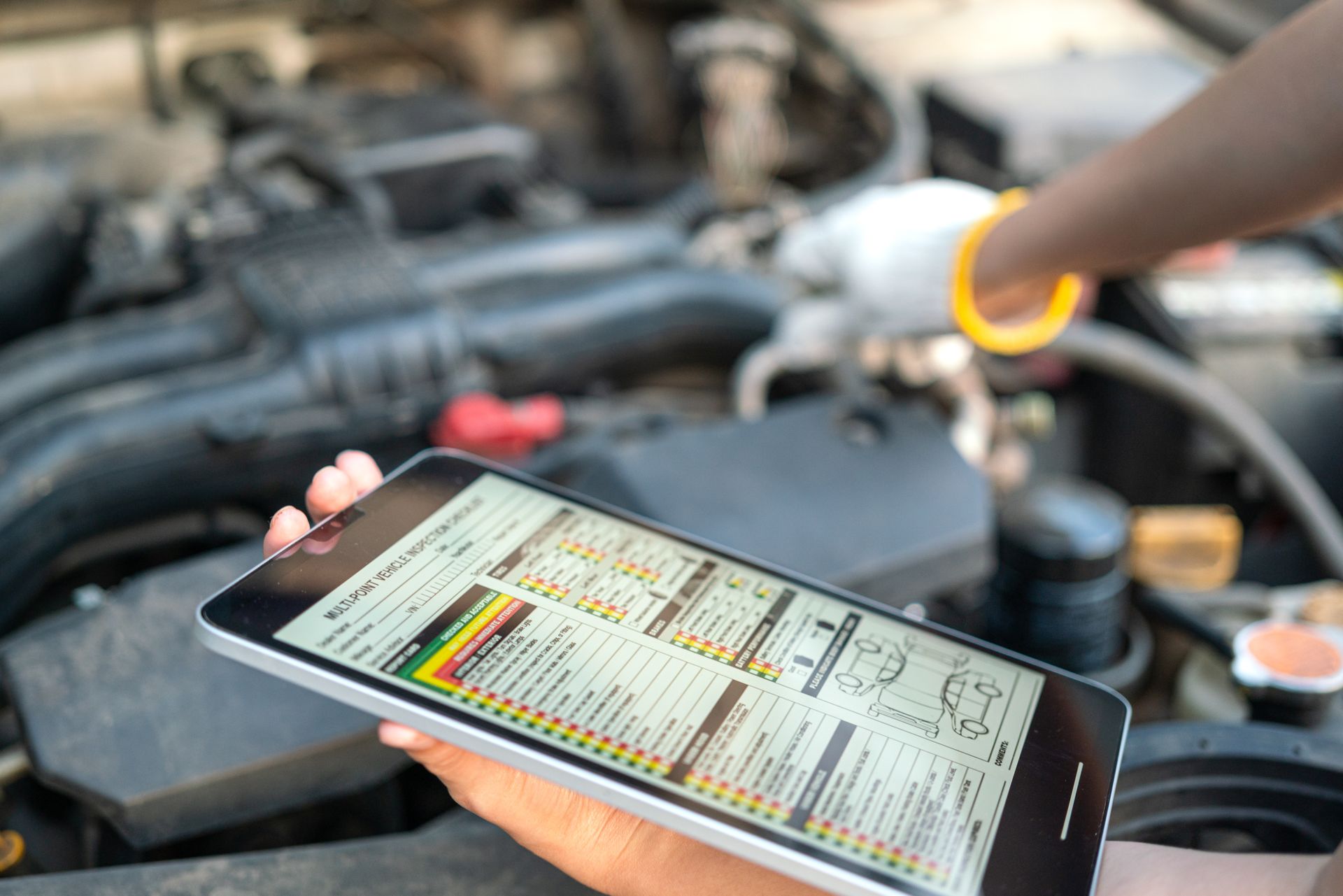
How Do Annual Maintenance and Inspections Prevent Surprise Vehicle Breakdowns? | A&H Automotive Repa
February 27, 2026
A&H Automotive Repair Shop in Oklahoma City, OK, explains how annual maintenance and inspections can prevent surprise breakdowns.
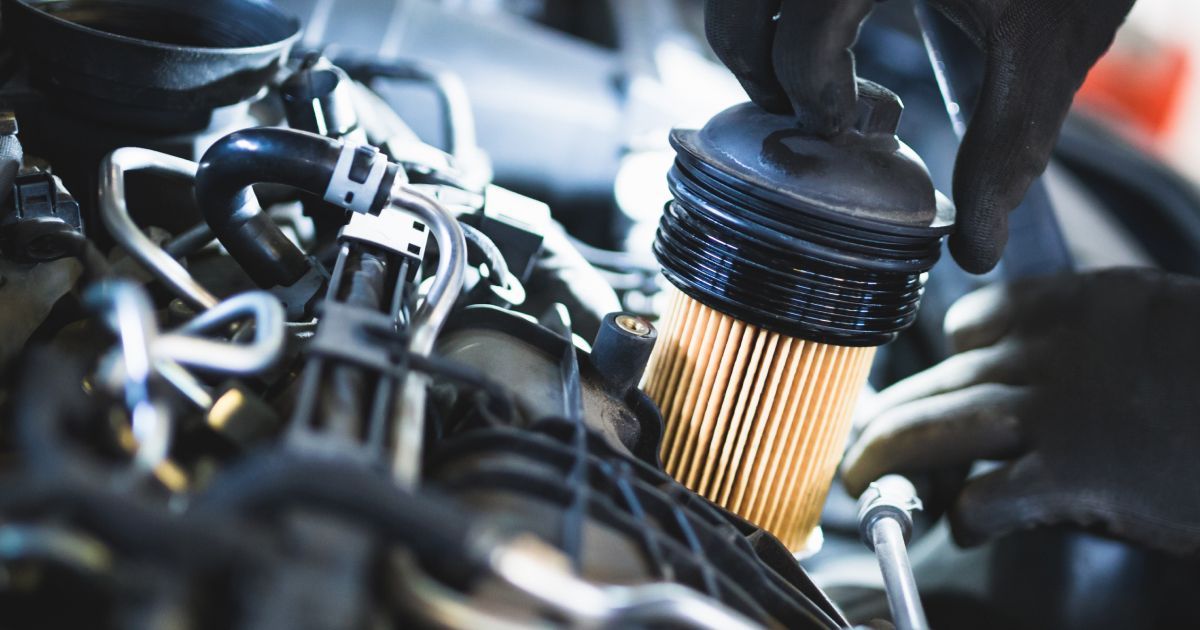
Mechanic removing a yellow oil filter from a car engine, hands in black gloves visible.
By ahautomotive63 September 22, 2025
Regular Maintenance for a Chevrolet Vehicle At A&H Automotive in Oklahoma City, we know how much your Chevrolet means to you — whether it's a Silverado hauling for work, an Equinox for the family, or a sporty Camaro built for weekend fun. Regular maintenance not only prolongs the life of your Chevy, it also helps maintain safety, fuel efficiency, performance, and resale value. Below is a general guide to Chevrolet’s recommended service intervals and maintenance tasks, plus tips specific for drivers in OKC. Always consult your vehicle’s owner’s manual for exact requirements, since model, year, and driving conditions make a difference. Why Following the Service Schedule Matters Warranty & Resale: If you’re under warranty, skipping required services can void coverage. Also, well-documented maintenance boosts resale value. Preventative Savings : It’s much cheaper to replace worn belts or fluids than to fix a failed engine, transmission, or other major components. Performance & Efficiency : Fresh filters, correct fluids, properly inflated tires, aligned suspension — all of it helps your Chevy perform better and consume less fuel. Safety : Regular checks of brakes, steering, tires, lights & safety systems reduce risk of breakdowns or accidents. Chevrolet Mileage Milestones & What Gets Done Here’s a typical Chevrolet maintenance schedule by mileage. Depending on your model and how you drive (e.g. city vs highway vs towing, frequent short trips vs. long runs, dusty or hot conditions, etc.), you may need to adjust or do more frequent checks. Recommended Chevrolet Service Intervals Every 7,500 miles or 6–12 months Oil and filter change Tire rotation Multi-point inspection of belts, hoses, lights, and wipers Check and top off fluids (coolant, brake, power steering, transmission) Around 15,000 miles All of the above services Replace cabin air filter Flush or replace brake fluid Inspect suspension, exhaust, and cooling systems Around 30,000 miles All of the above services Inspect or replace spark plugs In-depth inspection of belts, hoses, and fuel system At 60,000 miles, 90,000 miles, and beyond Replace or inspect timing belts (if equipped) Flush and replace coolant Service transmission fluid and filters (if required) Inspect or replace shocks, struts, and steering components Test or replace spark plugs and battery as needed Special Factors for OKC Drivers Oklahoma City has its share of hot summers, dust, and large temperature shifts between day and night. These conditions can accelerate wear in some components. Here are some tips especially relevant for this area: Cooling System Care : With the heat, keep your cooling system in top shape. Flush and refill as suggested, and check radiator fins, hoses, and the thermostat regularly. Air & Cabin Filter Inspections : Because of dust and pollen, Oklahoma drivers might need to replace or inspect air filters more often. Poor air filtration affects engine breathing and HVAC performance. Tire Care : Hot pavement can increase tire wear. Rotate tires regularly, check pressure (under-inflated tires heat up more), and align as needed to avoid cupping or uneven wear. Battery Stress : Heat stresses batteries. If your battery is older (3–5 years), have it tested during regular service intervals. When to See A&H Automotive If you notice any of the following, don’t wait for your mileage to reach the next service interval — bring your Chevy in right away: Oil leaks or burning oil smell Check Engine light comes on Car pulls to one side, vibrations, or uneven tire wear Brakes feel weak, squeal, or you hear grinding Overheating, strange noises, or loss of power Here at A&H Automotive , we offer full maintenance services, OEM or equivalent parts, certified technicians, and service reminders. We also provide estimates so you know what to expect. Keeping up with these milestones saves you money in the long run. Final Thoughts Maintenance isn’t just about “following rules.” It’s about protecting your investment. Your Chevrolet can give you many years of reliable service — but only if you take care of it. By following these service intervals, understanding your driving conditions, and catching small issues before they become big ones, you’ll enjoy better performance, fewer surprises, and more peace of mind. If you’re ready to check your maintenance status, or if you think you may be overdue for a service, stop by A&H Automotive or give us a call. We’d be glad to help you get back on schedule.

Featured Blogs & News