Check Engine Light Diagnostics in Oklahoma City, OK

Is your check engine light on? Don’t wait—diagnose it today!

Our Check Engine Light Services: Pinpointing Issues Accurately

Address your check engine light concerns with our expert diagnostic services. Whether it's a steady or blinking check engine light, our skilled technicians use advanced diagnostic tools to decode the issue accurately. We cover everything from simple sensor faults to complex drivetrain malfunctions. Schedule your diagnosis now and ensure your vehicle’s health and safety.

Advanced Diagnostic Equipment

Utilizing the latest in diagnostic technology, we interpret check engine light codes comprehensively, identifying the root causes of warnings. Our thorough approach ensures that all potential issues are addressed, preventing future problems.

Explanation of Diagnostic Codes

We not only find the problem but also explain the significance of each diagnostic code. Whether it’s a CEL (Check Engine Light) or an SES (Service Engine Soon) light, we provide clear, understandable explanations so you know exactly what's going on with your vehicle.

Prompt & Reliable Service

Understanding the urgency a check engine light indicates, we prioritize quick and efficient diagnostic services to reduce your vehicle's downtime. Trust us to get you back on the road safely and quickly.

Complete Check Engine Light Solutions:

Our services are designed to address any check engine light issue comprehensively:

Standard Engine Diagnostics:

Code Reading:  Retrieval and interpretation of diagnostic codes from your vehicle’s onboard computer. 

Sensor Checks:  Examination of common sensors like O2 sensors, mass airflow sensors, and more to identify faults.

Advanced Engine Analysis:

Drivetrain Malfunction Diagnostics:  Detailed assessment of drivetrain components to pinpoint complex issues. 

Blinking Check Engine Light Resolution:  Immediate attention to severe engine misfires or other critical problems indicated by a blinking light. 

Emissions Testing and Repair:  Solutions to emissions-related codes to ensure compliance with environmental regulations.

Common Triggers for Check Engine Lights

A check engine light can indicate various issues, from minor to complex. Here are some common causes:  

  •   Oxygen Sensor Failure:   A malfunctioning sensor can reduce fuel efficiency and increase emissions. 
  •   Loose or Faulty Gas Cap:  A simple issue like a loose gas cap can decrease fuel efficiency by causing fuel evaporation. 
  •   Catalytic Converter Issues:  Failure of this component leads to inefficient vehicle operation and poor gas mileage. 
  •   Mass Airflow Sensor Malfunction:  This affects how much fuel the engine uses, impacting performance and emissions. 
  •   Worn Spark Plugs or Wires:  These can cause engine misfires and performance declines.  

Addressing these issues promptly helps maintain vehicle efficiency and prevent costly repairs. If your check engine light comes on, consider these potential problems first.

Find Check Engine Light Services Near You!

Discover our reliable check engine light diagnosis services nearby and take action to resolve any engine issues. Don’t ignore your check engine light—early diagnosis can save you time and money. Book your comprehensive engine check with us today and drive with confidence. Your vehicle’s performance and safety are our top concerns—act now!

Check Engine Light Frequently Asked Questions

What is an engine tune-up?

An engine tune-up is a maintenance procedure that typically involves checking and replacing parts of the ignition system, such as spark plugs and coil packs, to ensure optimal engine performance and fuel efficiency. It may also include replacing the air filter, fuel filter, and checking and servicing the fuel injection system.

How often should spark plugs be replaced?

Spark plugs should generally be replaced as part of regular maintenance every 30,000 to 90,000 miles, depending on the vehicle model and the type of spark plug used. Refer to your vehicle's owner manual for specific recommendations.

What are the signs that my coil packs need replacing?

Symptoms of failing coil packs include engine misfires, rough idling, decreased power, poor fuel economy, and the engine management light turning on. Replacing faulty coil packs promptly can prevent further engine damage.

Why is fuel injection service important?

Fuel injection service is crucial for maintaining the engine’s performance and efficiency. It involves cleaning the fuel injectors to remove build-up and ensure they deliver the correct amount of fuel to the engine. Regular cleaning helps prevent issues such as clogging, poor acceleration, and increased emissions.

How does an oxygen sensor affect engine performance?

The oxygen sensor measures the amount of oxygen in the exhaust gases, which is an indicator of combustion efficiency. A faulty sensor can cause the engine to run lean (too much air) or rich (too much fuel), leading to inefficiency and increased emissions. Oxygen sensor replacement is a common fix during a tune-up to maintain optimal engine function.

What is involved in carb tuning?

Carb tuning involves adjusting the carburetor on older or specialized vehicles to ensure the correct mix of air and fuel enters the engine. This process can improve engine efficiency, performance, and reduce emissions. It typically includes adjusting the idle speed and the air-fuel mixture.

How can I tell if my vehicle needs a tune-up?

Common signs that your vehicle may need a tune-up include a noticeable decrease in fuel efficiency, engine performance issues like misfires or rough idling, unusual noises, starting difficulties, and persistent check engine lights.

What are the benefits of a regular engine tune-up?

Regular engine tune-ups can extend the life of your engine, improve fuel efficiency, reduce emissions, enhance overall vehicle performance, and prevent costly repairs by identifying and fixing issues early.

Can I perform a basic engine tune-up myself?

While some aspects of an engine tune-up, such as replacing spark plugs or air filters, can be done by a skilled DIYer, other more complex tasks like fuel injection service or carb tuning often require professional equipment and expertise.

How much does a typical engine tune-up cost?

The cost of an engine tune-up varies widely depending on the vehicle and the specific services included. Generally, it can range from $50 to $800. For an accurate estimate, consult your local mechanic or service center.

How often should I replace my engine air filter?

The engine air filter should be replaced every 15,000 to 30,000 miles, depending on driving conditions. Dusty or dirty environments may require more frequent changes. Regularly replacing the air filter ensures that your engine gets clean air, which is crucial for maintaining optimal combustion and engine efficiency.

What are the benefits of changing the cabin air filter?

Changing the cabin air filter improves the air quality inside your vehicle, making it healthier and more comfortable for passengers. It helps to trap pollen, bacteria, dust, and exhaust gases that can penetrate the vehicle's cabin. Typically, it should be replaced every 12,000 to 15,000 miles, or at least once a year.

How can I check and top off my windshield washer fluid?

To check your windshield washer fluid, locate the reservoir under the hood, usually marked with a windshield/water symbol. If the fluid level is low, fill it up with a windshield washer solution suitable for the climate and weather conditions in your area. Keeping this fluid topped off is crucial for maintaining visibility in adverse weather conditions.

What other vehicle fluids should I check regularly?

Other essential vehicle fluids to check regularly include engine oil, coolant, power steering fluid, brake fluid, and transmission fluid. Regular checks and top-offs can prevent mechanical issues and extend the lifespan of your vehicle. Refer to your vehicle’s owner manual for specific guidelines on how and when to check these fluids.

What is the difference between checking coolant and antifreeze?

Coolant and antifreeze are often used interchangeably, but they serve the same function. Antifreeze is the concentrated form, usually ethylene glycol or propylene glycol, which needs to be diluted with water. Coolant is the pre-mixed solution. Checking the coolant level involves inspecting the reservoir tank and refilling it if necessary to avoid engine overheating.

Why is it important to maintain the brake fluid level?

Maintaining the brake fluid level is crucial for safe driving. Brake fluid affects the operation of the hydraulic brake system. Low or contaminated brake fluid can lead to brake failure or reduced braking performance. It should be checked regularly and changed every 2 years or according to your vehicle manufacturer’s recommendations.

How do I know if my transmission fluid needs to be replaced?

Transmission fluid should be checked for both level and condition. If the fluid is dark, smells burnt, or the vehicle has issues with shifting gears, it may need to be replaced. Typically, transmission fluid is changed every 30,000 to 60,000 miles, but consult your vehicle's owner manual for specific advice.

How do changes in temperature affect vehicle fluids?

Temperature changes can affect the viscosity and performance of vehicle fluids. In cold weather, fluids can thicken, reducing their effectiveness, while in hot temperatures, they may become too thin. Regular checks and adjustments according to seasonal changes are essential to maintain vehicle performance and longevity.

How often should a vehicle undergo a full inspection?

A full vehicle inspection is recommended at least once a year or every 12,000 miles, whichever comes first. During this inspection, a mechanic will check the engine, transmission, brakes, suspension, and other critical systems to ensure everything is operating safely and efficiently. Regular inspections can help identify potential problems before they become serious and costly.

What should I know about timing belt inspection and replacement?

The timing belt is a critical component of the engine that synchronizes the rotation of the crankshaft and camshaft to ensure the engine's valves open and close at the proper times. It should be inspected regularly for wear and tear, and typically replaced every 60,000 to 100,000 miles, depending on the vehicle's make and model. A failed timing belt can cause severe engine damage, making its timely replacement essential for vehicle health.

When the Light Comes On, Trust A&H Automotive Repair Shop to Turn it Off.

What Are the 5 Most Common Car Repairs Drivers Face? | A&H Automotive Repair Shop
March 31, 2026
A&H Automotive Repair Shop in Oklahoma City, OK, shares the most common car repairs drivers face and why they occur.
How Do Annual Maintenance and Inspections Prevent Surprise Vehicle Breakdowns? | A&H Automotive Repa
February 27, 2026
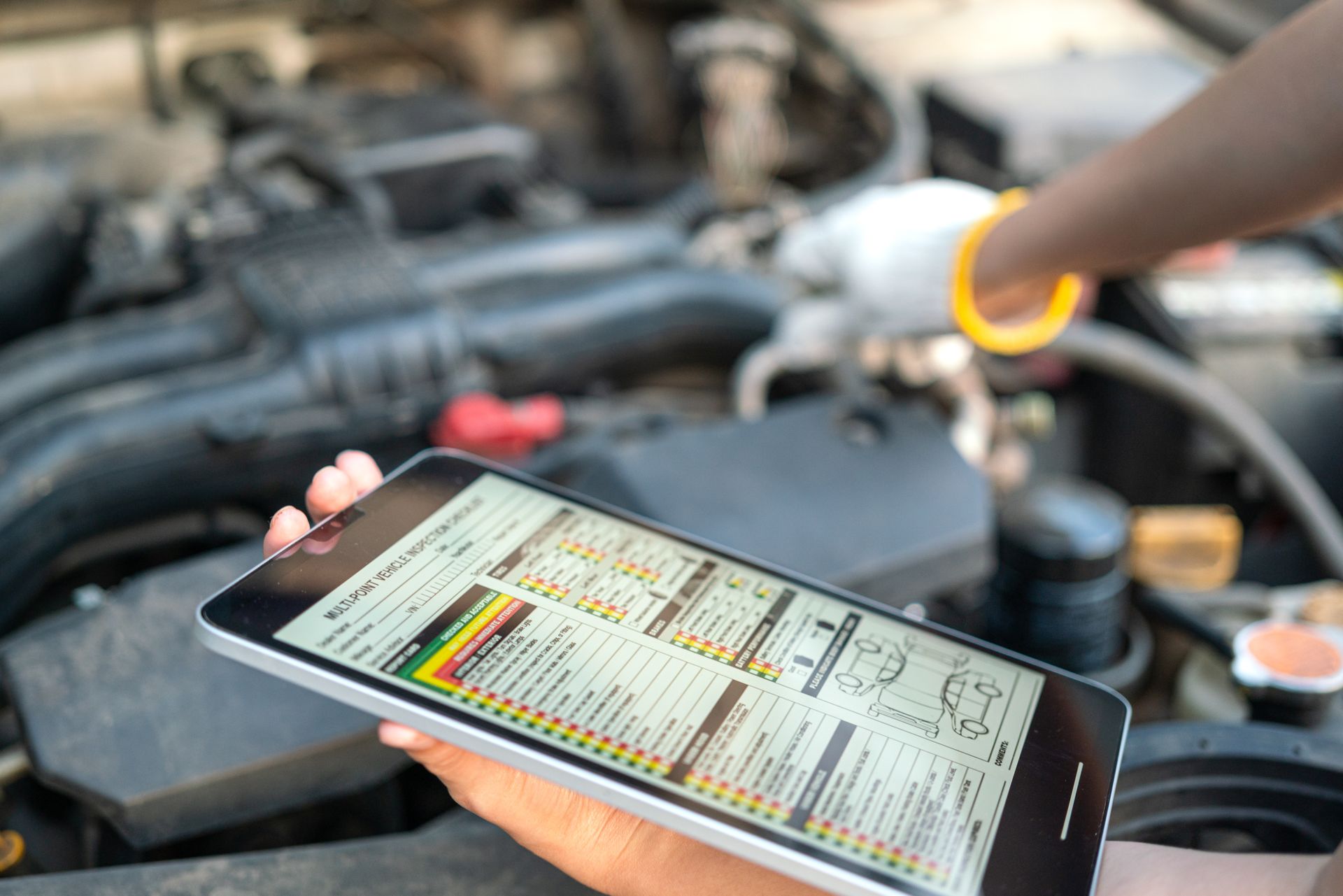
A&H Automotive Repair Shop in Oklahoma City, OK, explains how annual maintenance and inspections can prevent surprise breakdowns.
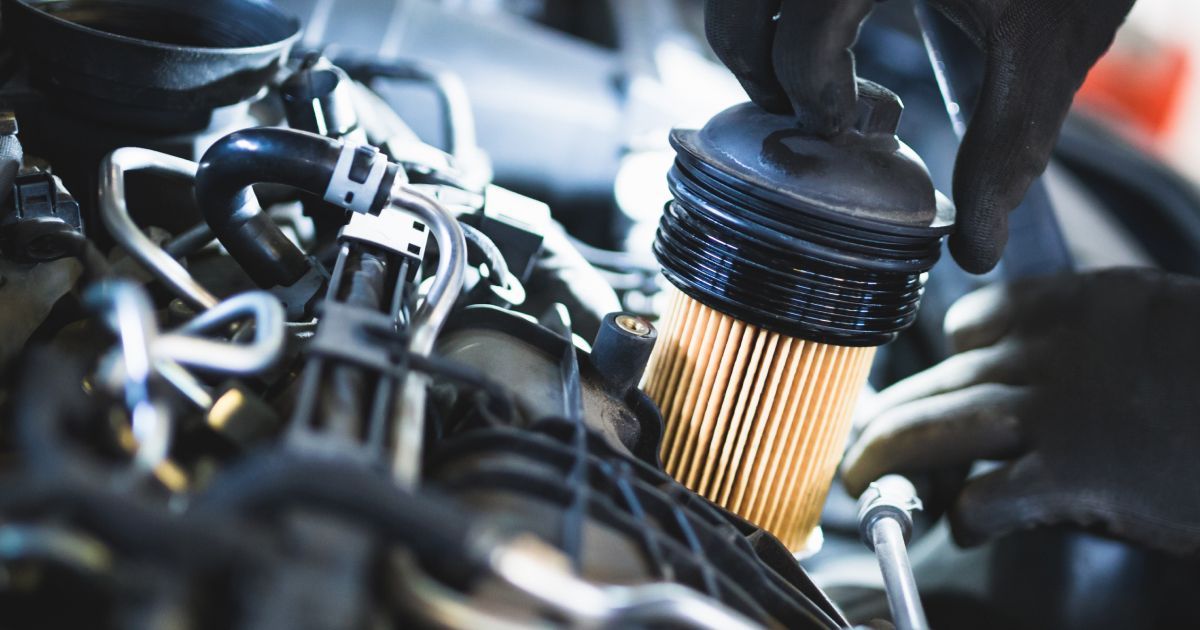
Mechanic removing a yellow oil filter from a car engine, hands in black gloves visible.
By ahautomotive63 September 22, 2025
Regular Maintenance for a Chevrolet Vehicle At A&H Automotive in Oklahoma City, we know how much your Chevrolet means to you — whether it's a Silverado hauling for work, an Equinox for the family, or a sporty Camaro built for weekend fun. Regular maintenance not only prolongs the life of your Chevy, it also helps maintain safety, fuel efficiency, performance, and resale value. Below is a general guide to Chevrolet’s recommended service intervals and maintenance tasks, plus tips specific for drivers in OKC. Always consult your vehicle’s owner’s manual for exact requirements, since model, year, and driving conditions make a difference. Why Following the Service Schedule Matters Warranty & Resale: If you’re under warranty, skipping required services can void coverage. Also, well-documented maintenance boosts resale value. Preventative Savings : It’s much cheaper to replace worn belts or fluids than to fix a failed engine, transmission, or other major components. Performance & Efficiency : Fresh filters, correct fluids, properly inflated tires, aligned suspension — all of it helps your Chevy perform better and consume less fuel. Safety : Regular checks of brakes, steering, tires, lights & safety systems reduce risk of breakdowns or accidents. Chevrolet Mileage Milestones & What Gets Done Here’s a typical Chevrolet maintenance schedule by mileage. Depending on your model and how you drive (e.g. city vs highway vs towing, frequent short trips vs. long runs, dusty or hot conditions, etc.), you may need to adjust or do more frequent checks. Recommended Chevrolet Service Intervals Every 7,500 miles or 6–12 months Oil and filter change Tire rotation Multi-point inspection of belts, hoses, lights, and wipers Check and top off fluids (coolant, brake, power steering, transmission) Around 15,000 miles All of the above services Replace cabin air filter Flush or replace brake fluid Inspect suspension, exhaust, and cooling systems Around 30,000 miles All of the above services Inspect or replace spark plugs In-depth inspection of belts, hoses, and fuel system At 60,000 miles, 90,000 miles, and beyond Replace or inspect timing belts (if equipped) Flush and replace coolant Service transmission fluid and filters (if required) Inspect or replace shocks, struts, and steering components Test or replace spark plugs and battery as needed Special Factors for OKC Drivers Oklahoma City has its share of hot summers, dust, and large temperature shifts between day and night. These conditions can accelerate wear in some components. Here are some tips especially relevant for this area: Cooling System Care : With the heat, keep your cooling system in top shape. Flush and refill as suggested, and check radiator fins, hoses, and the thermostat regularly. Air & Cabin Filter Inspections : Because of dust and pollen, Oklahoma drivers might need to replace or inspect air filters more often. Poor air filtration affects engine breathing and HVAC performance. Tire Care : Hot pavement can increase tire wear. Rotate tires regularly, check pressure (under-inflated tires heat up more), and align as needed to avoid cupping or uneven wear. Battery Stress : Heat stresses batteries. If your battery is older (3–5 years), have it tested during regular service intervals. When to See A&H Automotive If you notice any of the following, don’t wait for your mileage to reach the next service interval — bring your Chevy in right away: Oil leaks or burning oil smell Check Engine light comes on Car pulls to one side, vibrations, or uneven tire wear Brakes feel weak, squeal, or you hear grinding Overheating, strange noises, or loss of power Here at A&H Automotive , we offer full maintenance services, OEM or equivalent parts, certified technicians, and service reminders. We also provide estimates so you know what to expect. Keeping up with these milestones saves you money in the long run. Final Thoughts Maintenance isn’t just about “following rules.” It’s about protecting your investment. Your Chevrolet can give you many years of reliable service — but only if you take care of it. By following these service intervals, understanding your driving conditions, and catching small issues before they become big ones, you’ll enjoy better performance, fewer surprises, and more peace of mind. If you’re ready to check your maintenance status, or if you think you may be overdue for a service, stop by A&H Automotive or give us a call. We’d be glad to help you get back on schedule.

Featured Blogs & News